



What's Happening?
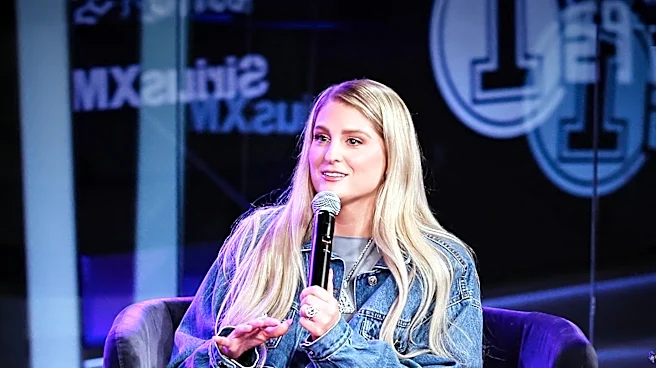
Molly Neuman, President of CD Baby, recently discussed the evolution of independent artists in the music industry with Billboard On The Record host Kristin Robinson. The conversation covered the significant changes from the 1990s, when Neuman started
her punk band Bratmobile, to the present day. Key topics included how Napster, digital distribution, and streaming services have transformed the industry. Neuman highlighted that artists now possess more leverage and options than ever before. However, this increased autonomy also brings new challenges, such as an overwhelming volume of songs being released and rising marketing costs. The discussion underscored the complexity of the modern music business, suggesting that understanding its intricacies can feel like needing a PhD for young artists.
Why It's Important?
This discussion is important because it sheds light on the profound shifts in the music industry, particularly for independent artists. The transition from a label-dependent model to one where artists have direct access to distribution and audiences has democratized music creation and dissemination. This change empowers artists by giving them greater control over their careers and creative output, potentially leading to more diverse and innovative music. However, it also introduces new economic and logistical challenges. The 'overwhelming volume of songs' creates intense competition for visibility, and 'rising marketing costs' can be a significant barrier for artists without substantial financial backing. This evolution impacts not only artists but also consumers, who now have access to a vast and diverse catalog of music, and the broader economy of the music industry, which has seen traditional gatekeepers diminish in influence while new digital platforms rise.
What's Next?
The music industry is likely to continue its rapid evolution, with ongoing technological advancements further shaping the landscape for independent artists. We can anticipate continued innovation in digital distribution, streaming platforms, and artist-to-fan engagement tools. The challenge of discoverability amidst a vast ocean of content will likely lead to new strategies for curation, algorithmic recommendations, and niche community building. Artists may increasingly rely on data-driven insights to understand their audience and market their music effectively. Furthermore, the balance between artist independence and the resources offered by major labels will remain a dynamic area, with hybrid models potentially becoming more common. The industry will also need to address issues of fair compensation for artists in the streaming era and the sustainability of independent careers in an increasingly competitive environment.
Beyond the Headlines
The evolution of the independent artist reflects broader societal trends concerning individual empowerment and the impact of digital technology on traditional industries. The shift from relying on established institutions (like record labels) to self-sufficiency mirrors changes seen in journalism, publishing, and other creative fields. This phenomenon raises ethical questions about intellectual property rights, fair compensation in the digital age, and the potential for algorithmic bias in content promotion. Culturally, it signifies a move towards a more fragmented and diverse artistic landscape, where niche genres and independent voices can thrive outside mainstream commercial pressures. However, it also highlights the digital divide, as access to technology and marketing expertise can create new forms of inequality among artists. The 'PhD-level' complexity of the modern music business underscores the need for education and support systems to help artists navigate this new terrain effectively.