



What's Happening?
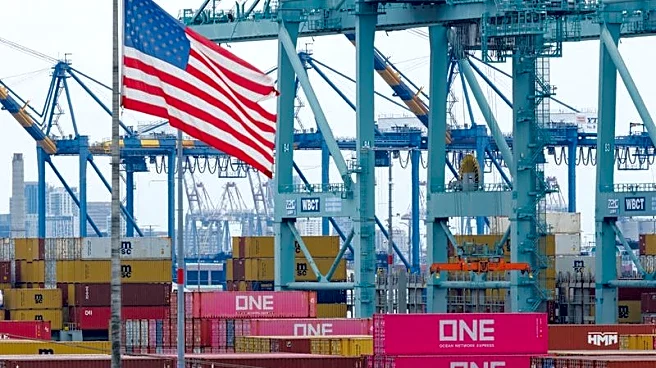
FedEx CEO Raj Subramaniam has described the current upheaval in global supply chains as the most significant shift in 35 years. This transformation is driven by tariffs and geopolitical tensions, leading to a reevaluation and potential rewiring of global trade
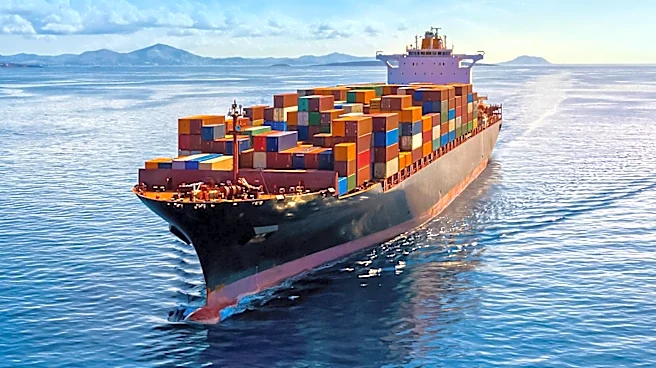
routes. Subramaniam emphasized that this is not a move towards deglobalization but rather a redirection of trade, with growth corridors in Latin America, Southeast Asia, and India absorbing volumes that previously moved along established routes. FedEx is adapting by unifying its Express and Ground networks, enhancing digital capabilities for e-commerce, and deploying automation across its infrastructure.
Why It's Important?
The shift in global trade routes has significant implications for logistics and supply chain management. Companies like FedEx are forced to reassess their strategies, focusing on new carrier relationships and customs capabilities in emerging markets. This realignment could lead to increased operational costs and require businesses to adapt quickly to maintain efficiency. The changes also highlight the impact of geopolitical tensions on global commerce, emphasizing the need for resilience and flexibility in supply chain operations.
What's Next?
FedEx is not waiting for the situation to stabilize but is actively transforming its operations to meet new demands. The company is testing autonomous trucks and automating sorting processes to enhance efficiency. As global trade continues to evolve, logistics companies will need to innovate and invest in technology to stay competitive. The ongoing changes may also prompt further strategic partnerships and collaborations within the logistics sector to address new challenges and opportunities.