




What's Happening?
Interior design is undergoing a significant shift, moving away from the traditional single overhead light fixture towards a more nuanced approach known as layered lighting. This method treats light as a primary element for shaping atmosphere, comfort,
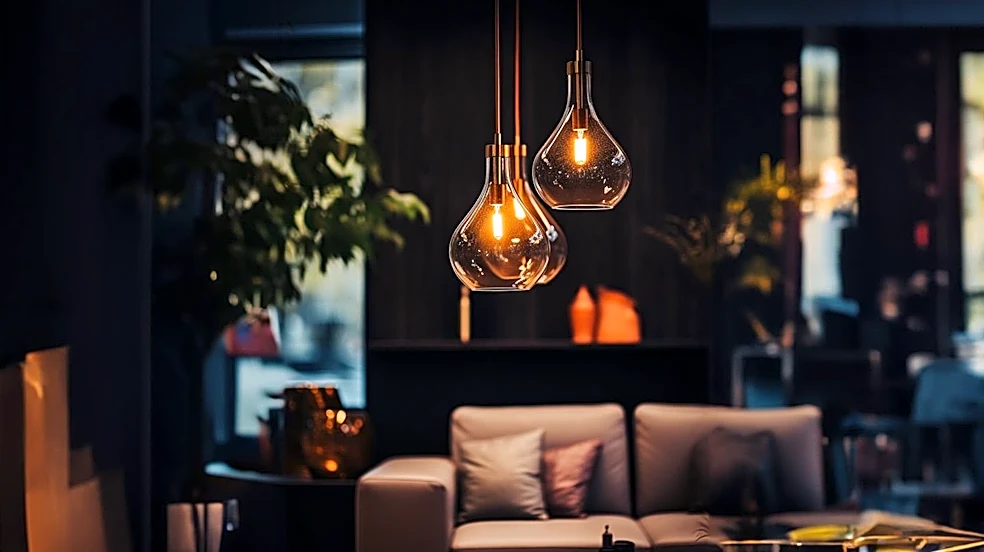
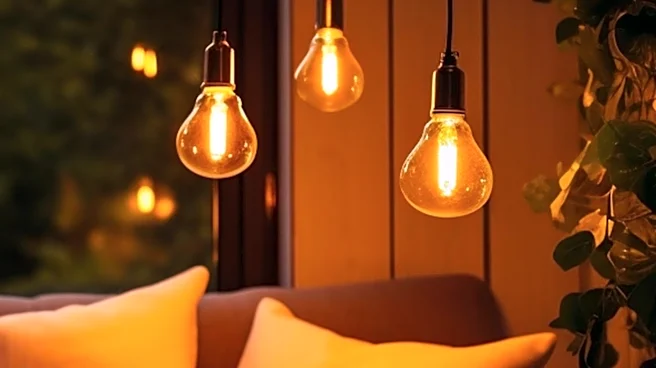
and emotional well-being, rather than just a functional necessity. The concept of the 'big light'—a central ceiling fixture often criticized for being cold, unflattering, and overly bright—is being phased out. Instead, modern design emphasizes multi-dimensional lighting schemes that mimic natural light by scattering gentle pools of illumination at various heights. This approach is built on a three-pillar framework: ambient lighting for soft background illumination, task lighting for targeted clarity in activity areas, and accent/decorative lighting to highlight architectural details, artwork, or textures, acting as 'mood makers.' Key elements driving this trend include sculptural table and floor lamps, wall sconces, low-hung pendants, and cordless/rechargeable mini lamps, all contributing to a more adaptable and aesthetically pleasing environment.
Why It's Important?
This evolution in lighting design holds significant implications for both the interior design industry and the well-being of individuals within their living and working spaces. By moving beyond harsh, single-source lighting, layered lighting can positively impact circadian rhythms, reducing the feeling of 'high noon' at night and potentially improving sleep quality. The emphasis on warm color temperatures (2700K-3000K) and varied light heights creates more inviting and comfortable environments, which can enhance mood and reduce stress. For businesses in the home decor and lighting sectors, this trend signifies a demand for more sophisticated and versatile lighting products, including smart bulbs, dimmers, and portable lamps. Homeowners stand to gain more control over their living spaces' ambiance, allowing them to tailor lighting to different activities and times of day, ultimately fostering a greater sense of comfort and personal style. The shift also underscores a broader cultural movement towards creating more restorative and emotionally supportive environments in daily life.
What's Next?
The trend of layered lighting is expected to continue its integration into mainstream interior design, with further innovations in smart lighting technology. Consumers can anticipate a wider array of dimmable fixtures, smart bulbs with adjustable color temperatures, and integrated lighting systems that offer seamless control over multiple light sources. The market will likely see an increase in demand for decorative and accent lighting pieces that serve as both functional and artistic elements. Designers will continue to explore how lighting can define zones in open-plan layouts and enhance architectural features. Furthermore, the focus on designing for rhythm, allowing spaces to transition from day to night with appropriate lighting, will become a standard practice. This will involve more sophisticated use of timers, sensors, and smart home integration to automate lighting changes, further enhancing comfort and energy efficiency.
Beyond the Headlines
Beyond its aesthetic and functional benefits, the widespread adoption of layered lighting reflects a deeper societal recognition of the profound impact of environment on mental and emotional well-being. The move away from 'the big light' symbolizes a rejection of one-size-fits-all solutions in favor of personalized, adaptable spaces. This trend aligns with a growing emphasis on mindfulness and creating sanctuaries within the home, where individuals can control their sensory experiences. Ethically, it highlights the responsibility of designers and manufacturers to create products that not only look good but also contribute positively to human health and comfort. Culturally, it signifies a shift towards valuing subtlety and nuance in design, moving past purely utilitarian approaches to embrace a more holistic view of living spaces. The long-term implication could be a greater integration of environmental psychology principles into architectural and interior design, leading to spaces that are inherently more supportive of human flourishing.