






What's Happening?
Scientists have successfully engineered tobacco and lettuce plants to produce myoglobin, a protein found in animal muscle fibers, by integrating its gene into the plants' chloroplast genomes. This innovation aims to provide a sustainable method for mass-producing
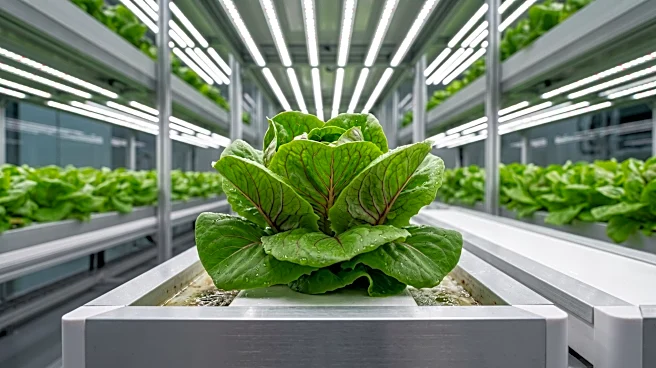
myoglobin, which is crucial for giving plant-based meat alternatives a more authentic meaty flavor and red color. The research, led by Dr. Alexia Groff and her colleagues, involved using a 'gene gun' to introduce pig and cattle myoglobin genes into the chloroplasts of tobacco and lettuce seedlings. Subsequent tests confirmed the successful integration and inheritance of the transgene in the offspring. The yield of myoglobin from these engineered plants was approximately 800 mg per kilogram dry weight for tobacco and 810 mg per kilogram dry weight for lettuce, significantly higher than yields from nuclear genome modifications. This plant-based production method offers a promising alternative to microbial engineering, which is another common technique for producing animal proteins for fake meat.
Why It's Important?
This scientific breakthrough holds significant implications for the U.S. food industry and environmental sustainability. The ability to produce myoglobin in plants at scale could revolutionize the plant-based meat market, which is projected to grow substantially in the coming decade. By enhancing the color, flavor, and nutritional value of fake meat products, this technology could make them more appealing to a broader consumer base, including those who are hesitant to switch from traditional meat due to taste and texture differences. From an environmental perspective, plant cultivation for myoglobin production is far more resource-efficient than livestock farming, requiring substantially less water and generating fewer greenhouse gas emissions. This aligns with growing consumer and governmental interest in sustainable food systems and could contribute to reducing the environmental footprint of food production in the U.S. The potential for myoglobin-enriched lettuce to serve as a heme-iron-enriched biofortified food also presents a public health benefit, addressing iron deficiencies through a plant-based source.
What's Next?
The immediate next steps involve developing methods for extracting and purifying the plant-derived myoglobin on an industrial scale. Once purified, this myoglobin can be added as an ingredient to plant-based meat products to improve their sensory attributes. Researchers are also exploring the possibility of using edible lettuce, modified to express myoglobin, as a biofortified food source, pending legislative approval. This would require regulatory assessments and approvals to ensure the safety and efficacy of genetically engineered food products for direct human consumption. The commercialization of this technology will likely involve collaborations between research institutions, biotechnology startups, and food manufacturers to scale up production and integrate the plant-derived myoglobin into existing and new plant-based meat formulations. Further research may also focus on optimizing myoglobin yield in other edible crops and exploring additional plant-based protein enhancements.
Beyond the Headlines
This development touches upon deeper ethical and cultural dimensions surrounding food production and consumption. The increasing demand for plant-based alternatives is driven not only by environmental concerns but also by ethical considerations regarding animal welfare. By providing a more convincing meat substitute, this technology could help bridge the gap for consumers who wish to reduce their meat intake without compromising on the culinary experience. However, it also raises questions about consumer acceptance of genetically engineered ingredients in their food, particularly in a market segment often associated with 'natural' or 'organic' products. The long-term societal impact could include a significant shift in dietary patterns, potentially leading to a healthier population and a more sustainable planet. Furthermore, the success of this technology could spur further innovation in plant biotechnology, opening doors for engineering other complex animal-derived compounds in plants for various industrial and medical applications, thereby reducing reliance on animal agriculture across multiple sectors.