








What's Happening?
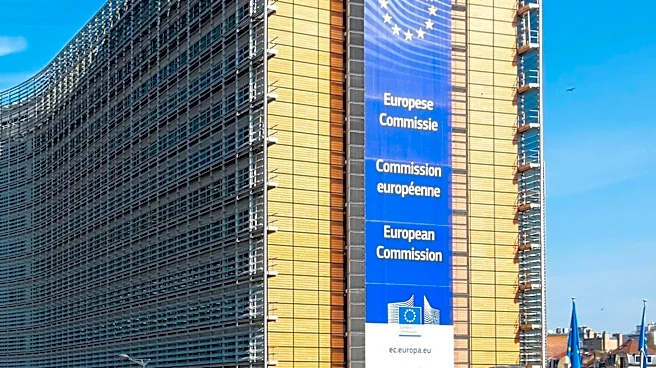
The European Commission has initiated a formal antitrust investigation into Omya, a Swiss-based company, over concerns that it may have violated EU competition rules. The probe focuses on whether Omya, identified as the largest supplier of calcium carbonates
in the European Economic Area, has abused a dominant market position. Specifically, the Commission is examining two types of conduct: exclusive purchasing obligations that allegedly require paper industry customers to procure all or most of their calcium carbonates from Omya, and 'exclusivity rebates' that offer financial incentives for customers to do the same. Calcium carbonates are crucial materials in paper manufacturing, used as fillers and coating pigments to reduce production costs and enhance paper properties like brightness and smoothness. The Commission is concerned that these practices could be limiting the ability of other calcium carbonate suppliers to compete effectively for customers within the European paper industry. The investigation will assess if these actions, if proven, breach Article 102 of the Treaty on the Functioning of the European Union and Article 54 of the EEA Agreement, which prohibit the abuse of a dominant position.
Why It's Important?
This investigation is significant for the European paper and cardboard industry, as calcium carbonates are described as 'key' to its operations. If Omya's practices are found to be anti-competitive, it could lead to a more open and competitive market for calcium carbonate suppliers, potentially benefiting paper manufacturers through increased choice and possibly lower costs. Conversely, if the allegations are substantiated, it highlights a potential vulnerability in critical supply chains where a single dominant supplier could exert undue influence, impacting the competitiveness and innovation of downstream industries. For the broader European economy, ensuring fair competition is vital for market efficiency, consumer welfare, and the prevention of monopolies. The outcome of this probe could set a precedent for how dominant suppliers in other essential industrial inputs are regulated, reinforcing the EU's commitment to maintaining a level playing field and preventing market distortions that could hinder economic growth and fair trade practices.
What's Next?
The European Commission has stated that it will conduct an in-depth investigation 'as a matter of priority.' There is no specific legal deadline for concluding an antitrust investigation, as the duration can vary based on the complexity of the case and the level of cooperation from the companies involved. The opening of these proceedings does not prejudge the outcome, meaning Omya is presumed innocent until proven otherwise. The Commission will gather evidence, potentially interview market participants, and analyze Omya's business practices in detail. If the investigation confirms an abuse of dominant position, Omya could face substantial fines and be ordered to cease the anti-competitive practices. The case could also lead to broader policy discussions within the EU regarding market concentration in critical industrial supply chains and the effectiveness of existing antitrust regulations in preventing such abuses.
Beyond the Headlines
Beyond the immediate implications for Omya and the paper industry, this investigation touches upon the broader theme of supply chain resilience and fair competition in essential industrial sectors. In an era of increasing geopolitical and economic uncertainties, the reliance on a single dominant supplier for critical components like calcium carbonates can pose strategic risks. This case underscores the EU's proactive stance in scrutinizing market power and ensuring that foundational industries are not stifled by anti-competitive behavior. It also highlights the ongoing tension between corporate strategies aimed at market dominance and regulatory efforts to protect competition and foster innovation. The outcome could influence how companies operating across various sectors within the EU structure their supply agreements and pricing strategies, particularly those with significant market shares, reinforcing the importance of compliance with stringent EU competition laws.