



What's Happening?
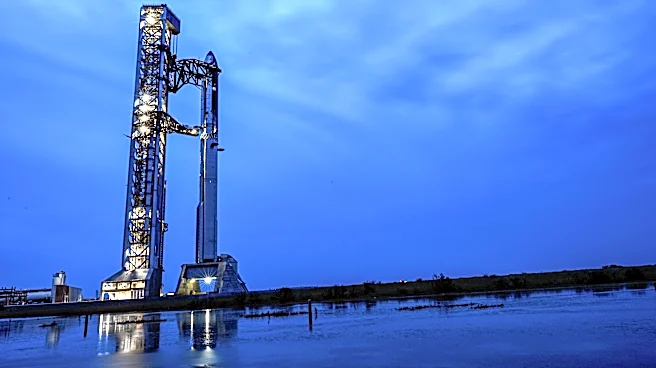
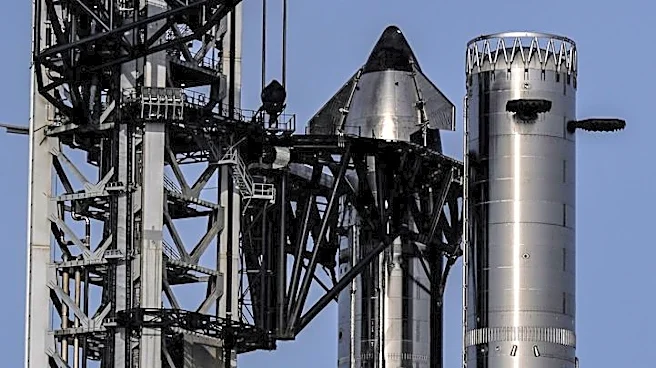
Elon Musk's SpaceX has proposed the development of orbital data centers as part of its IPO strategy, aiming to position itself as a vertically integrated AI company. However, geopolitical analyst Peter Zeihan has criticized the feasibility of this plan,
highlighting significant technical and financial challenges. Zeihan argues that constructing a one-gigawatt orbital data center would require approximately 500 Starship launches and extensive radiation shielding, which would weigh around 20 million pounds. Additionally, the cooling requirements for high-end chips in space would necessitate massive radiator fins, potentially costing $250 billion. Despite these criticisms, SpaceX's S-1 filing suggests that orbital AI compute satellites could be deployed by 2028, with a long-term goal of launching 100 gigawatts per year.
Why It's Important?
The proposal for orbital data centers represents a significant shift in how data infrastructure could be developed, potentially impacting the tech and space industries. If successful, it could revolutionize data processing capabilities and offer new opportunities for AI development. However, the high costs and technical challenges pose substantial risks. The skepticism from analysts like Zeihan highlights the potential financial burden and technological hurdles that could deter investors. The outcome of this venture could influence future investments in space-based technologies and shape the competitive landscape of the tech industry.
What's Next?
SpaceX plans to begin deploying orbital AI compute satellites by 2028, but the timeline and feasibility remain uncertain. Investors and industry stakeholders will closely monitor the company's progress and any technological breakthroughs that could make the project viable. The financial community's response to SpaceX's IPO and the company's ability to secure funding for this ambitious project will be critical. Additionally, regulatory considerations and international cooperation may play a role in the project's development.