

What's Happening?
Mobility training is gaining recognition as a distinct and crucial aspect of physical well-being, differing significantly from traditional flexibility. While flexibility refers to the passive capacity of a muscle to stretch, mobility is defined as the active
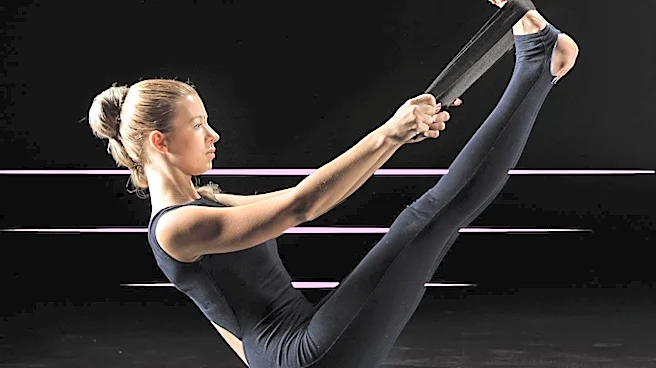
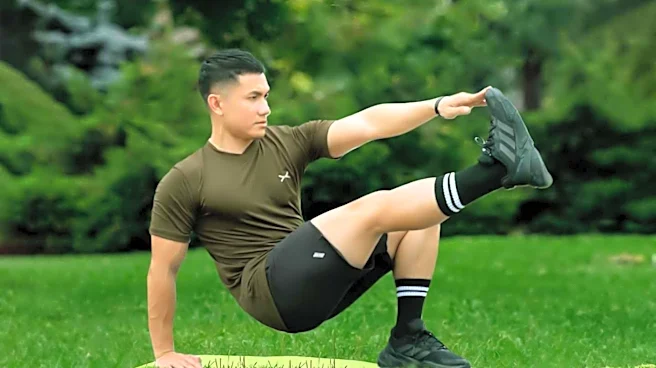
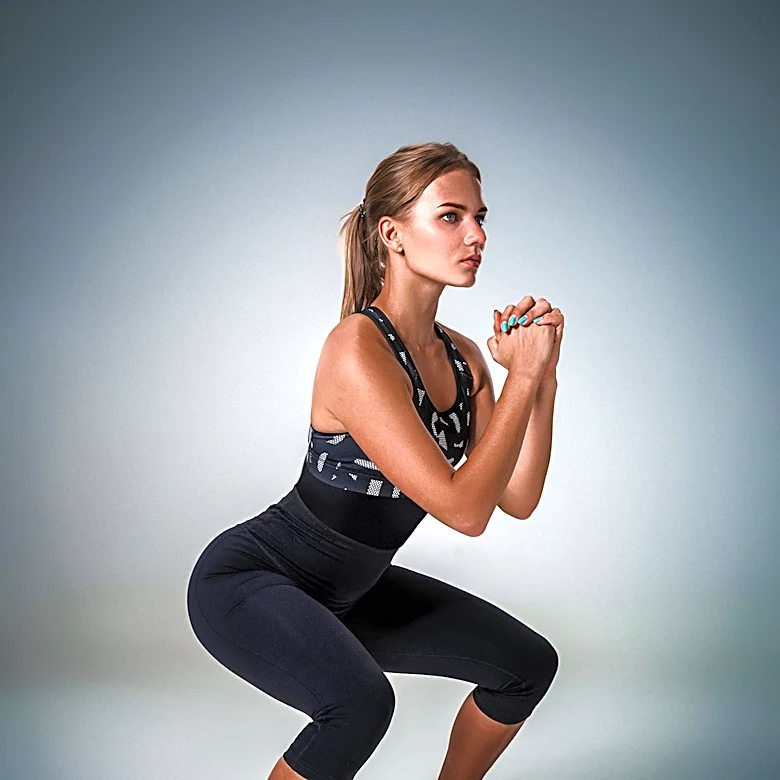
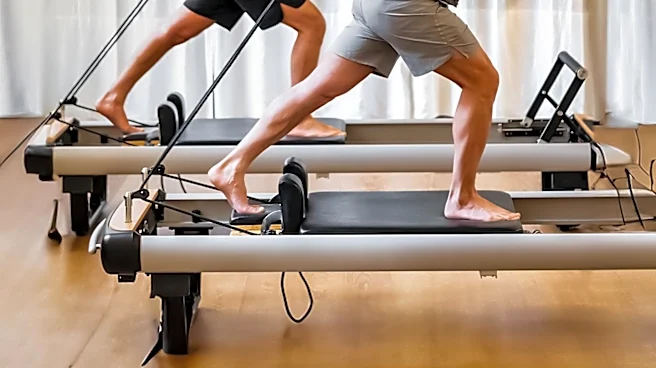
ability to move and control a joint through its full range of motion using one's own muscle strength. This distinction is vital because a person can be flexible without being mobile; for instance, muscles might stretch far, but the individual may lack the strength and motor control to actively utilize that range in daily activities. When joint mobility is restricted, the body often compensates by relying on secondary muscles or twisting awkwardly, which can lead to joint friction, muscle fatigue, and chronic stiffness over time. Targeted mobility training, such as Pilates, integrates active flexibility, breath work, core stability, and spatial awareness to ensure joints and surrounding musculature work together harmoniously. This approach helps train the nervous system and muscles to move safely and effectively through a complete range of motion, supporting functional daily movements.
Why It's Important?
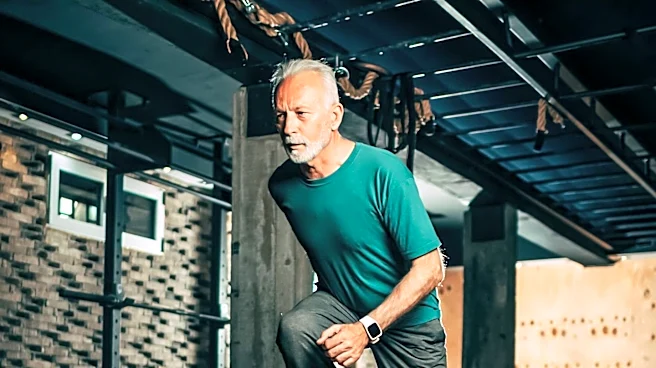
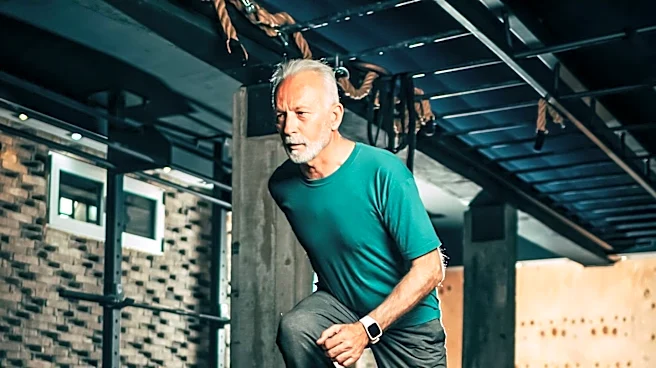
The emphasis on mobility training has significant implications for public health, particularly for an aging U.S. population. As individuals age, maintaining the ability to perform everyday tasks comfortably, such as reaching, bending, turning, getting up from a chair, and walking confidently, becomes increasingly important for independence and quality of life. The U.S. guidance for adults aged 65 and older specifically recommends combining aerobic, muscle-strengthening, and balance activities, with mobility training complementing these by improving the ability to perform such tasks. Without adequate mobility, individuals may experience increased physical discomfort, stiffness, and a higher risk of injury due to compensatory movement patterns. This shift in understanding from mere flexibility to active mobility can lead to more effective exercise routines and physical therapy interventions, reducing healthcare costs associated with age-related physical decline and improving overall societal well-being. It also highlights the importance of personalized exercise programs that address individual movement mechanics and limitations.
What's Next?
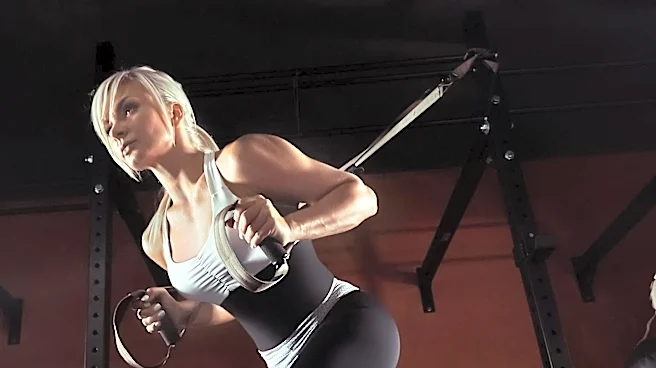
The growing understanding of mobility versus flexibility is likely to influence fitness programs, physical therapy protocols, and personal training approaches across the U.S. We can expect to see an increased integration of mobility-focused exercises into general fitness routines, with a greater emphasis on controlled movements, core stability, and functional strength. For older adults, there will likely be a continued push for exercise programs that specifically target balance and active range of motion, as recommended by health organizations. Furthermore, the development of specialized training methods like Pilates, which focuses on controlled exercises and individualized instruction, may become more prevalent. Healthcare providers and fitness professionals will need to continue educating the public on the benefits of active mobility and how it contributes to long-term physical health and independence, moving beyond the traditional focus solely on passive stretching.
Beyond the Headlines
The distinction between mobility and flexibility touches upon deeper aspects of human movement and physical autonomy. Beyond just physical health, the ability to move freely and without pain significantly impacts mental well-being, social engagement, and overall life satisfaction. A lack of mobility can lead to a sedentary lifestyle, which in turn exacerbates various health issues and can contribute to feelings of isolation and dependence. By promoting active mobility, there's a potential to foster a more active and engaged society, where individuals can participate in recreational activities, maintain social connections, and perform daily tasks with confidence well into old age. This paradigm shift in fitness and rehabilitation also underscores the importance of body awareness and proprioception, encouraging individuals to understand and control their bodies more effectively, thereby reducing the risk of injury and enhancing their physical capabilities in a holistic manner.