



What's Happening?
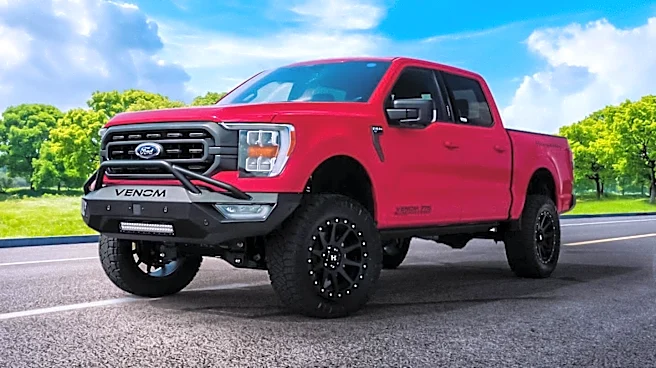
Modifying an overland truck's suspension is a common first step for off-road enthusiasts, but it comes with significant considerations. A solid suspension upgrade can improve ground clearance, allow for larger tires, and better handle heavy loads. However,
cheap lift kits, often consisting of simple spacers, typically degrade ride quality and can introduce numerous issues without offering performance benefits. High-end race shocks, while providing superior off-road performance, demand frequent and costly maintenance, often requiring rebuilding every 20,000-30,000 miles, compared to standard shocks that last over 70,000 miles. Modifying a vehicle's suspension also alters its center of gravity, impacting handling, aerodynamics, and potentially safety, as original equipment manufacturers (OEMs) design and test vehicles in their stock configuration.
Why It's Important?
This information is crucial for U.S. consumers considering modifications to their trucks for off-road or overland use. Misinformed decisions can lead to significant financial outlays for parts and maintenance, compromised vehicle safety, and a diminished driving experience. The article highlights that increasing tire size and lifting a truck can reduce its Gross Vehicle Weight Rating (GVWR), meaning the vehicle becomes less capable of performing its intended functions like towing and hauling. This directly impacts the utility and safety of modified vehicles, potentially leading to accidents or premature wear and tear. Understanding these trade-offs is essential for making responsible and cost-effective decisions in the aftermarket automotive industry.
What's Next?
Consumers planning suspension upgrades should prioritize quality components that offer a balance between performance and longevity, such as Bilstein 5100, OME Nitrocharger, or Eibach Pro-Truck shocks, which provide a solid upgrade without excessive maintenance. For those seeking higher performance, options like OME BP51s, Dobinsons MMRs, or Bilstein 8100s offer a compromise with longer service lives than race shocks. The advice is to modify as little as possible for reliability or, if high performance is desired, consider factory-built off-road vehicles like the Ford Raptor or Silverado ZR2, or specialized conversions from companies like AEV, which adhere to rigorous safety standards. This suggests a continued market for both moderate upgrades and high-end, factory-integrated off-road solutions.
Beyond the Headlines
The discussion around truck suspension modifications touches upon broader themes of consumer education, product safety, and the regulatory landscape of aftermarket parts. The lack of standardized testing for many aftermarket components, unlike OEM parts, raises questions about consumer protection and liability. Ethically, manufacturers and retailers of aftermarket parts have a responsibility to clearly communicate the potential downsides and maintenance requirements of their products. Culturally, the 'overlanding' trend in the U.S. reflects a desire for adventure and self-reliance, but it also highlights a potential disconnect between aspirational modifications and practical realities. This could lead to increased demand for more robust, factory-backed off-road options or a greater emphasis on responsible modification practices within the enthusiast community.