









What's Happening?
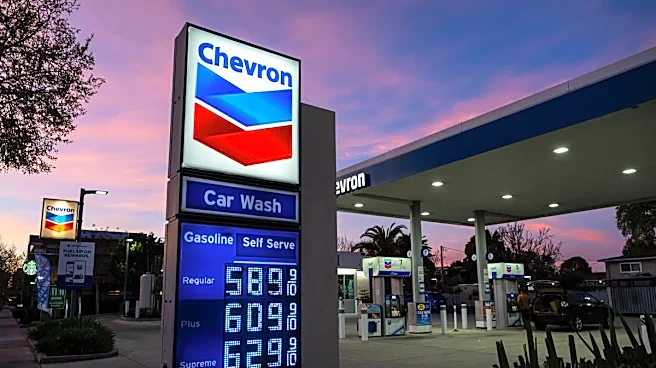
Capital One is experiencing a positive shift in its stock value following a decrease in oil prices, which fell by about 5% after the U.S. and Iran reached an agreement to end a conflict and reopen the Strait of Hormuz. This development is expected to alleviate
concerns about consumer credit, which have been affecting Capital One's shares. Jim Cramer's Charitable Trust has increased its holdings in Capital One, purchasing 65 additional shares, bringing its total to 675 shares. Analysts from Baird have also expressed a bullish outlook on Capital One, citing its strong risk-reward balance and favorable valuation. They noted that Capital One's shares are trading at a significant discount compared to other credit-sensitive financials, which they believe is unwarranted given the company's strong asset returns and potential earnings growth.
Why It's Important?
The recent developments are significant for Capital One as they suggest a potential stabilization in consumer credit concerns, which have been a drag on the company's stock. The drop in oil prices could lead to lower costs for consumers, potentially improving their creditworthiness and reducing default risks for credit issuers like Capital One. The positive analyst outlook and increased investment by Jim Cramer's Charitable Trust further underscore confidence in Capital One's financial health and growth prospects. This could attract more investors, potentially boosting the stock price further. Additionally, the company's ability to maintain earnings even in a credit downturn, as highlighted by Baird, suggests resilience in its business model.
What's Next?
Capital One may continue to benefit from the current economic conditions if oil prices remain low, easing consumer credit concerns. The company's strategic decisions, such as potentially reducing marketing spend to offset increased credit provisions, could help maintain its earnings stability. Investors and analysts will likely monitor Capital One's performance closely, especially in light of its valuation and the broader economic environment. The company's ability to repurchase stock, as noted by Baird, could also play a role in its future financial strategies.