



What's Happening?
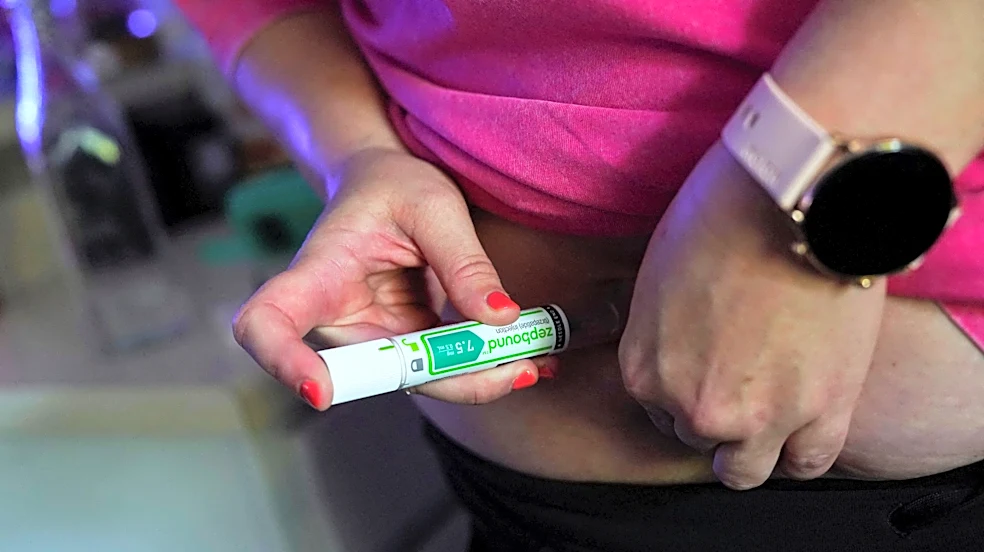
The fashion apparel and retail industry is experiencing significant shifts due to the increasing use of GLP-1 medications for weight loss, according to a report by AlixPartners. Approximately 11% of U.S. consumers are currently using these medications,
including Ozempic, Wegovy, Mounjaro, and Zepbound. This trend is impacting various aspects of retail, such as inventory management, product development, merchandise planning, and returns. Notably, the report highlights a decline in plus-size offerings from several major retailers. H&M's plus-size assortment dropped by 5%, Asos by 32%, and Reformation by a substantial 60% compared to the previous two years. Conversely, Anthropologie has increased its plus-size inventory. The report also indicates a decrease in the importance of inclusive product options among activewear shoppers, falling from 55% in 2024 to 37% in 2026, while the importance of consistent fit and sizing rose from 29% in 2025 to 54% in 2026.
Why It's Important?
The widespread adoption of GLP-1 medications is creating new challenges and opportunities within the U.S. fashion retail sector. The reduction in plus-size inventory by several retailers suggests a potential shift in consumer demand and body demographics, which could lead to the exclusion of plus-size consumers from certain brands. This trend could also impact brands that have historically focused on size inclusivity, as their customer base may shrink. The increased emphasis on consistent fit and sizing, along with a rise in interest for alteration services, indicates a changing consumer priority towards tailored and well-fitting garments, regardless of size. This could prompt retailers to re-evaluate their sizing strategies and invest more in customization options. The report also touches on the evolving role of AI in product discovery and purchasing decisions, suggesting that while consumers are not yet fully reliant on AI for fashion purchases, retailers need to prepare for its growing influence, particularly among younger and higher-income shoppers.
What's Next?
Retailers will likely need to adapt their strategies to address the evolving consumer landscape shaped by GLP-1 medications. This may involve re-evaluating their product assortments, particularly in the plus-size category, and potentially investing in more flexible sizing options or alteration services. Brands with a strong focus on size inclusivity may need to find new ways to retain their customer base as body sizes change. Furthermore, the report suggests that retailers should prepare for a future where AI plays a more significant role in consumer purchasing decisions, especially among younger demographics. This could lead to increased investment in AI-driven shopping technologies and personalized experiences. The continued prioritization of fundamental shopping aspects like product availability, clean stores, and helpful associates, alongside innovative technology, will require retailers to balance new capabilities with existing consumer expectations.
Beyond the Headlines
The impact of GLP-1 medications extends beyond mere inventory adjustments, touching upon broader societal perceptions of body image and inclusivity within the fashion industry. The decline in plus-size offerings, while a business response to changing body sizes, could inadvertently undermine the progress made in promoting body positivity and diversity in fashion. This raises ethical questions about how the industry will continue to cater to a diverse range of body types, even as the average body size may shift. The increased demand for consistent fit and alterations could also signal a move towards a more personalized and less standardized approach to clothing, potentially fostering a culture where garments are tailored to individual bodies rather than bodies conforming to standard sizes. This shift could challenge the fast fashion model and encourage more sustainable practices, as consumers might invest in fewer, higher-quality, and better-fitting items.