







What's Happening?
CVS Health announced on November 4, 2026, its intention to split into two independent, publicly traded companies: CVS Health and CVS Pharmacy. This strategic move has led AM Best, a credit rating agency specializing in the insurance industry, to place
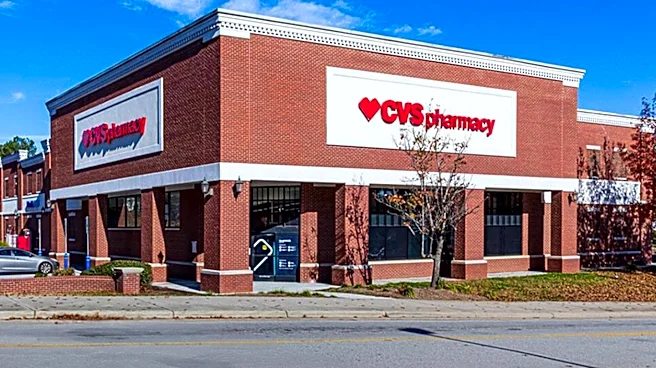
the Financial Strength Ratings and Long-Term Issuer Credit Ratings of Aetna Life Insurance Company and CVS Caremark Indemnity Ltd. under review with developing implications. The new CVS Health will encompass Aetna, CVS Caremark, CVS Specialty, Oak Street Health, and Signify Health. CVS Pharmacy will comprise approximately 9,000 CVS pharmacies, mail order pharmacy services, MinuteClinic (including virtual care), and the Health100 technology services business. This separation is a significant reversal of the vertically integrated model CVS Health established after acquiring Aetna in 2018, which aimed to combine insurance, pharmacy benefits, and retail pharmacies under one corporate umbrella. The review by AM Best covers 39 listed Aetna Health & Life Group entities, with final ratings pending more definitive financial details from CVS Health.
Why It's Important?
This planned separation by CVS Health signifies a notable shift in the healthcare industry's approach to integrated models. The original acquisition of Aetna by CVS Health was a major move towards vertical integration, aiming to create a comprehensive healthcare ecosystem. The decision to split suggests that large health conglomerates may be re-evaluating the efficacy and benefits of combining insurance and pharmacy operations under a single entity. For stakeholders, including investors, this move introduces uncertainty regarding the financial profiles of the newly independent companies. AM Best's review highlights this uncertainty, as the allocation of debt and pro forma financials will significantly impact the financial strength and creditworthiness of both entities. The outcome of this separation could influence future strategic decisions across the healthcare sector, potentially leading other integrated health companies to reconsider their structures. Consumers with Aetna plans or CVS Pharmacy prescriptions will need to monitor future announcements, as the separation could eventually affect how services are organized, though no immediate changes to pricing or coverage have been announced.
What's Next?
The separation of CVS Health into two independent companies is anticipated to be completed in the first half of 2028. This timeline is contingent upon several customary conditions, including final approval from the CVS Health Board of Directors, the effectiveness of a Form 10 registration statement filed with the SEC, and confirmation of tax-free treatment for the separation. AM Best will continue to monitor developments and awaits more definitive financial details from CVS Health regarding the pro forma financials and debt allocation for both new entities. The final ratings for Aetna and CVS Caremark will remain unresolved until this information is provided and thoroughly assessed. Stakeholders, including investors, regulators, and consumers, will be closely watching for further announcements and regulatory filings as the separation process progresses. The market will also be observing how this strategic shift impacts the competitive landscape within the health insurance and pharmacy sectors.
Beyond the Headlines
The decision by CVS Health to de-integrate its operations raises broader questions about the long-term viability and strategic advantages of vertical integration in the healthcare sector. The initial rationale for combining insurance, pharmacy benefits, and retail pharmacies was to create synergies, improve patient outcomes through coordinated care, and potentially reduce costs. The reversal of this strategy suggests that the anticipated benefits may not have materialized as expected, or that new market dynamics and regulatory pressures have made a different structure more advantageous. This move could signal a broader trend where large healthcare companies opt for more focused business models, allowing each entity to specialize and potentially respond more agilely to market demands. It also highlights the ongoing evolution of healthcare delivery and financing in the U.S., where companies continuously adapt their structures to optimize performance and shareholder value amidst a complex and rapidly changing environment. The ethical implications of such large-scale corporate restructuring on patient care and access will also be a subject of ongoing scrutiny.