



What's Happening?
Leading celebrity manicurists and beauty experts are advising against the practice of cutting cuticles, a common step in manicures. According to Jin Soon Choi, a celebrity manicurist and beauty founder, consistently cutting cuticles can lead to them peeling
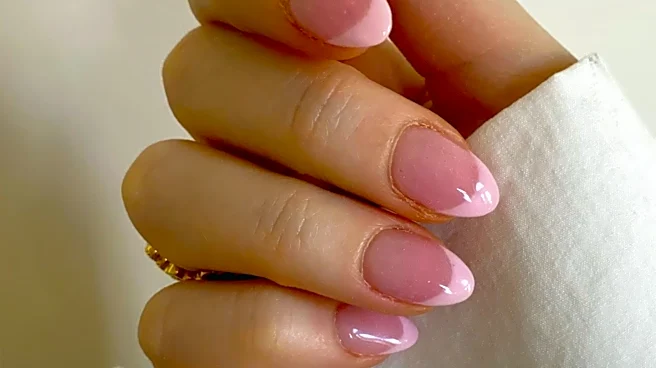
and becoming ragged. Stephanie Stone, another celebrity manicurist, emphasizes that cuticles serve as a crucial defense mechanism, guarding nail beds against bacteria and infection. Removing them compromises this protection. Furthermore, Stone notes that cutting cuticles can cause them to grow back thicker, as the body perceives the removal as a need for increased production. While trimming hangnails or snagged skin is acceptable, experts advocate for care over cutting live skin. Instead of cutting, professionals recommend incorporating oils and creams to soften cuticles and gently pushing them back, especially after bathing when the skin is softest. This approach, along with buffing away excess dead skin, is believed to improve cuticle health and the longevity of manicures.
Why It's Important?
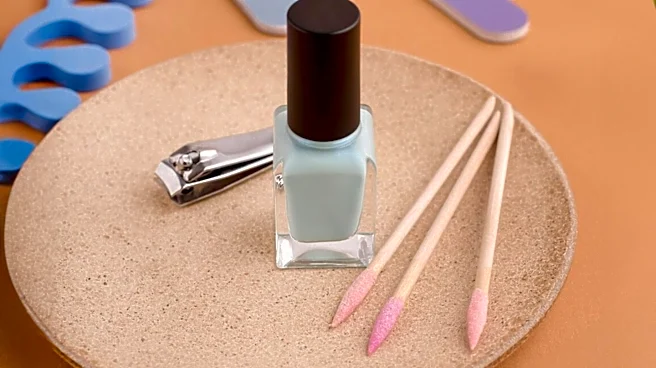
This guidance from beauty professionals has significant implications for the U.S. beauty industry and public health. The widespread practice of cuticle cutting in nail salons and at home could be contributing to a higher incidence of nail infections and unhealthy nail regrowth among consumers. For the beauty industry, this shift in recommendation could lead to changes in standard manicure procedures, requiring salons to retrain staff and adjust their service offerings. Consumers, particularly those who frequent nail salons, will need to be educated on the benefits of cuticle care over cutting to avoid potential health risks. The emphasis on moisturizing and gentle pushing back of cuticles also highlights a growing trend towards more holistic and health-conscious beauty practices, potentially boosting the market for cuticle oils, creams, and specialized tools designed for gentle cuticle management. This could also lead to a decrease in demand for cuticle nippers and similar cutting tools.
What's Next?
In response to these expert recommendations, it is likely that there will be a push for increased education within the nail care industry regarding proper cuticle maintenance. Nail technicians may undergo training to adopt new techniques that prioritize cuticle health over removal. Consumers can expect to see more emphasis on cuticle care products, such as oils and creams, in beauty retail. There may also be a rise in demand for manicures that focus on gentle cuticle pushing and moisturizing rather than cutting. Regulatory bodies in some states might consider reviewing existing guidelines for nail salon practices to align with these health-focused recommendations. Additionally, beauty publications and influencers are expected to further disseminate this information, influencing public perception and practices related to nail care.
Beyond the Headlines
The discussion around cuticle care extends beyond mere aesthetics, touching upon broader themes of health literacy and the influence of expert advice on consumer behavior. The long-standing practice of cuticle cutting, often perceived as a necessary step for a clean manicure, highlights how beauty norms can sometimes override health considerations. This situation underscores the importance of scientific and professional guidance in the beauty industry to ensure practices are not only effective but also safe. It also reflects a growing consumer awareness and demand for healthier beauty routines, moving away from potentially harmful traditional methods. The shift could also spark conversations about the training and regulation of nail technicians, ensuring they are equipped with the most current and health-conscious practices. Ultimately, this trend could lead to a more informed and health-conscious approach to personal grooming in the U.S.