

What's Happening?
The definition of luxury real estate is evolving beyond traditional premium interiors and desirable addresses to include wellness and recovery experiences. An example of this trend is Shahrukhz Residences by Danube Properties in Dubai Maritime City, which
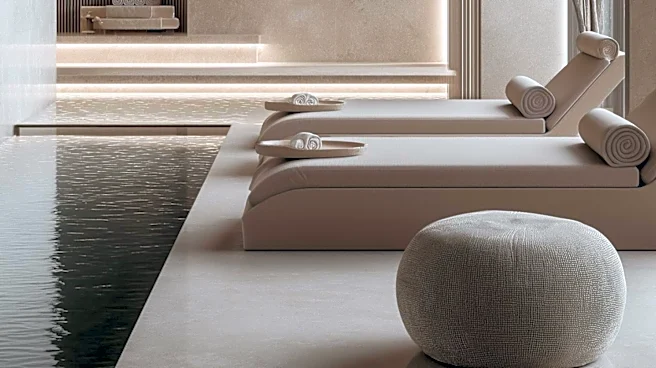
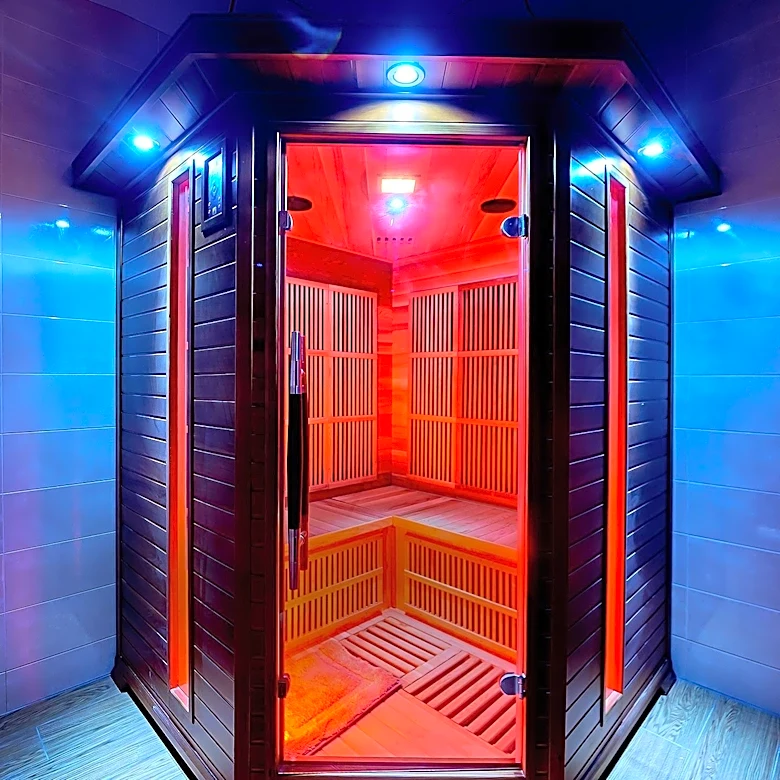
features a dedicated Longevity Lounge. This lounge offers residents access to various wellness facilities at no additional cost. These facilities include cryotherapy, hyperbaric oxygen therapy, a red-light therapy bed, compression therapy boots, a lymphatic body roller, a smart wellness assessment station, a herbal steam room, an ice bath, a jet jacuzzi, and an infrared sauna. This initiative by Danube Properties and Mr. Rizwan Sajan signifies a shift in consumer expectations, where homes are increasingly viewed as integral to a healthier and longer life.
Why It's Important?
This development is important as it signals a significant shift in the luxury real estate market, potentially influencing future residential developments in the U.S. and globally. The integration of advanced wellness amenities like cryotherapy into residential properties could set a new standard for high-end living, impacting consumer expectations and purchasing decisions. For U.S. real estate developers, this trend suggests a need to consider incorporating health and wellness infrastructure into their projects to remain competitive in the luxury segment. It also highlights a growing consumer demand for homes that actively contribute to well-being, potentially creating new market opportunities for wellness technology providers and service operators within residential communities. This could lead to increased investment in health-focused home features and a re-evaluation of what constitutes 'luxury' in the housing market.
What's Next?
The success of wellness-focused residences like Shahrukhz Residences could prompt other developers in the U.S. and internationally to explore similar offerings. We may see an acceleration in the adoption of health and wellness amenities as standard features in luxury and even mid-range residential projects. This could lead to partnerships between real estate companies and wellness technology providers, driving innovation in home-based health solutions. Furthermore, the trend might influence urban planning and architectural design, with a greater emphasis on creating living spaces that promote physical and mental well-being. Consumers are likely to increasingly factor these amenities into their home-buying decisions, pushing the market towards more holistic living environments.
Beyond the Headlines
The deeper implication of this trend is the blurring of lines between residential living and personal health management. Homes are transforming from mere shelters into active participants in residents' health journeys. This raises ethical considerations regarding accessibility and equity, as advanced wellness technologies might initially be exclusive to luxury markets, potentially widening the health gap. Culturally, it reflects a growing societal emphasis on longevity and proactive health maintenance, integrating these aspirations into daily living environments. Legally, it could lead to new regulations or standards for wellness amenities in residential buildings, particularly concerning safety and efficacy. This shift also suggests a long-term redefinition of 'home' as a comprehensive life-support system, impacting how we design, market, and value residential properties.