
What's Happening?
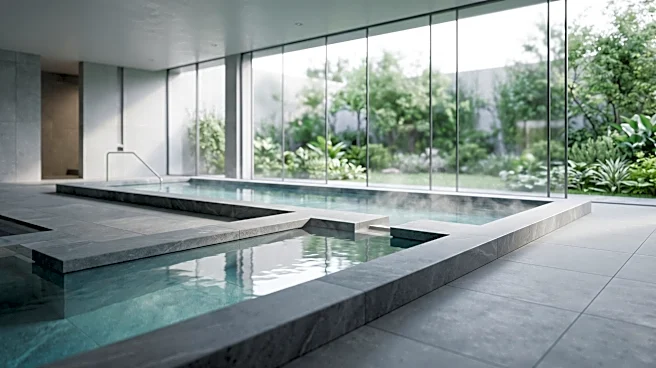
Cold plunge tubs are gaining recognition for their therapeutic benefits, including faster muscle recovery, reduced inflammation, and improved sleep quality. These systems are designed to cool water to specific
temperatures, with some models capable of reaching as low as 37°F (3°C). For optimal therapeutic effects, temperatures typically range between 50°F and 59°F, though advanced users may prefer 39°F for maximum metabolic and anti-inflammatory responses. The Spa at Carneros Resort and Spa, for instance, maintains its cold plunge at approximately 55°F. The market offers various models, from basic tubs to advanced systems with integrated chillers and sanitation features. Consumers are advised to consider factors like insulation, chiller size, and filtration systems to ensure consistent performance and avoid common pitfalls like high energy costs and poor water quality. The growing interest in cold therapy highlights a broader trend towards wellness practices that stimulate the autonomic nervous system and enhance overall well-being.
Why It's Important?
The increasing popularity of cold plunge tubs signifies a growing consumer interest in proactive wellness and recovery methods within the U.S. health and fitness industry. This trend impacts manufacturers, who are developing more sophisticated and energy-efficient units, and hospitality sectors, which are incorporating cold plunges into their spa offerings to attract health-conscious clientele. For individuals, access to effective recovery tools can lead to improved physical performance, reduced downtime from injuries, and enhanced mental clarity. The emphasis on proper insulation and chiller sizing also highlights a shift towards more informed consumer choices, pushing manufacturers to innovate in energy efficiency and durability. This market expansion creates opportunities for businesses specializing in wellness equipment and services, while also raising awareness about the physiological benefits of cold exposure, potentially influencing broader public health discussions around non-pharmacological recovery strategies.
What's Next?
The cold plunge market is expected to continue its growth trajectory, with manufacturers likely focusing on further advancements in energy efficiency, smart technology integration, and user-friendly maintenance. We may see more widespread adoption in commercial settings, such as gyms, sports rehabilitation centers, and corporate wellness programs, as the benefits become more widely recognized. Consumers will likely demand more robust and sustainable products, leading to increased competition and innovation in materials and design. Educational initiatives around safe and effective cold plunge practices will also become crucial to ensure users maximize benefits while minimizing risks. Furthermore, as the wellness industry evolves, there may be increased research into the long-term health impacts of regular cold exposure, potentially leading to new guidelines and recommendations for its therapeutic use.
Beyond the Headlines
Beyond the immediate physical benefits, the rise of cold plunges reflects a deeper cultural shift towards embracing discomfort as a pathway to resilience and mental fortitude. This practice, often challenging, encourages individuals to push their physiological and psychological boundaries, fostering a sense of accomplishment and mental toughness. Ethically, the industry faces the challenge of ensuring accessibility and affordability, as high-end units can be a significant investment, potentially creating a wellness divide. Environmentally, the focus on energy-efficient designs and durable, American-made products points towards a more sustainable approach to wellness equipment, reducing waste and carbon footprint. The integration of cold plunges into daily routines also signifies a move away from purely reactive healthcare towards proactive self-care, where individuals take greater ownership of their physical and mental well-being through deliberate, often challenging, practices.