







What's Happening?
The silver market is experiencing a continued shortage despite the unwinding of a significant squeeze that occurred in late 2025. The squeeze, characterized by a temporary shortage of physical silver, has resolved, with exchange inventories rebuilding
and borrowing costs normalizing. However, the underlying issue of a market deficit persists, with the world consuming more silver than it produces for the sixth consecutive year. As of 2026, a projected market deficit of 46.3 million ounces remains, according to Metals Focus and the Silver Institute. While Western inventories have stabilized, physical silver in Shanghai continues to command a premium, indicating ongoing tightness in the Eastern markets.
Why It's Important?
The ongoing silver shortage has significant implications for investors and industries reliant on the metal. The resolution of the squeeze removes a short-term driver for higher prices, but the structural deficit suggests long-term supply challenges. This persistent shortage could impact industries such as electronics and renewable energy, which depend on silver for manufacturing. Investors must navigate the dual influences of immediate market conditions, driven by monetary policy and currency strength, and the longer-term supply-demand dynamics. The divergence in silver prices between Western and Eastern markets highlights regional supply constraints that could affect global trade and pricing strategies.
What's Next?
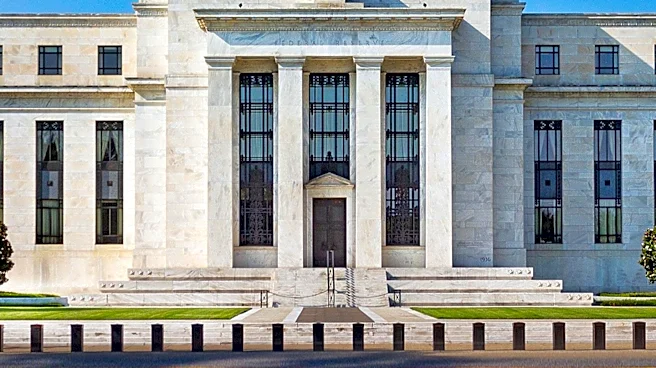
Looking ahead, the silver market will likely continue to be influenced by both macroeconomic factors and structural supply issues. The Federal Reserve's monetary policy and the strength of the U.S. dollar will play crucial roles in shaping short-term price movements. Meanwhile, the persistent market deficit suggests that supply constraints will remain a challenge, potentially leading to further price volatility. Investors and industries may need to adjust their strategies to account for these ongoing dynamics, with a focus on securing reliable supply chains and managing price risks.