
What's Happening?
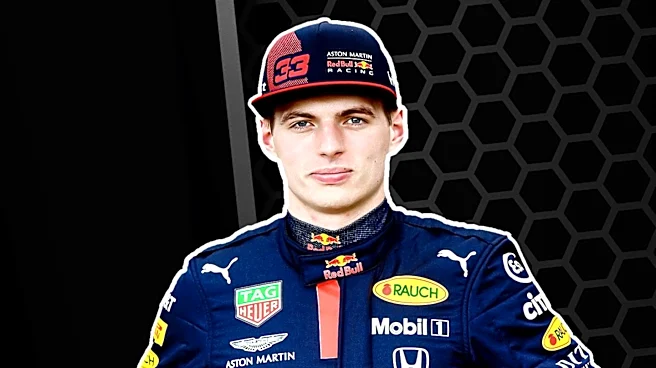
Gabriel Bortoleto, an Audi driver, has emphasized the critical role of adaptability for drivers in the upcoming 2026 Formula 1 season. His insights were supported by Max Verstappen, who agreed that the ability to adjust driving styles to meet the car's
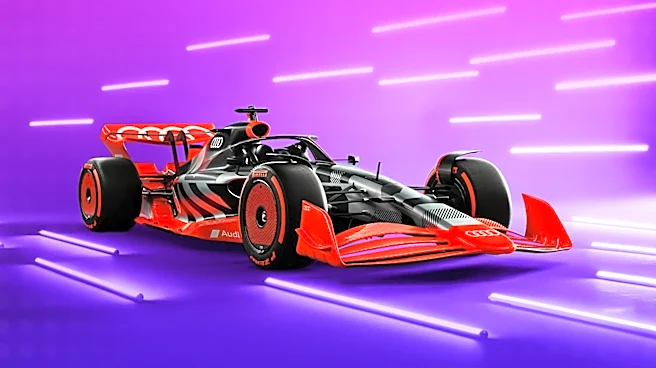
demands is more crucial than ever. Bortoleto noted that the current generation of F1 cars requires constant adjustments from drivers, a sentiment echoed by Verstappen, who highlighted the unusual challenges presented by the cars. The discussion comes as Audi focuses on developing a new power unit for 2028, while refining their current setup for 2026.
Why It's Important?
The emphasis on adaptability reflects a broader shift in Formula 1, where technological advancements and regulatory changes are pushing drivers to be more versatile. This shift could impact team strategies and driver training programs, as teams may prioritize drivers who can quickly adapt to new car dynamics. For Audi, this focus on adaptability aligns with their strategic development goals, potentially giving them a competitive edge in future seasons. The insights from Bortoleto and Verstappen underscore the evolving nature of F1, where success increasingly depends on a driver's ability to adjust to rapidly changing conditions.
What's Next?
As the 2026 season approaches, teams and drivers will likely continue to refine their strategies to maximize performance under the new regulations. Audi's decision to focus on a new power unit for 2028 suggests a long-term commitment to innovation, which could influence other teams to adopt similar strategies. The ongoing dialogue about adaptability may also lead to changes in driver training and development programs, as teams seek to cultivate drivers who can thrive in this dynamic environment.