

What's Happening?
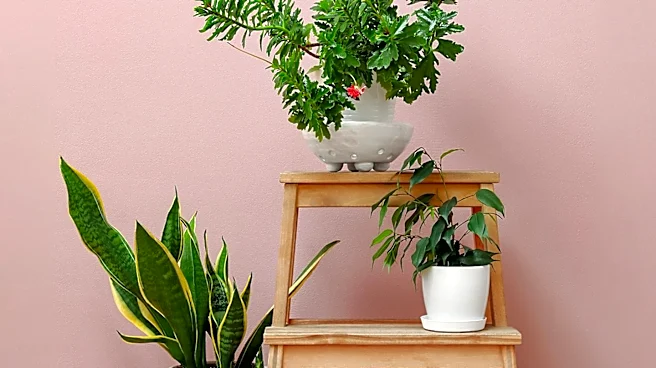
Experts are advising houseplant owners to carefully consider the placement of their plants within the home, as incorrect positioning is a leading cause of plant decline. Many common household areas, despite seeming suitable, can be detrimental to a plant's
health. For instance, placing plants near heating or air conditioning vents can expose them to extreme temperature fluctuations and dry air, quickly dehydrating them. Similarly, radiators and fireplaces generate excessive heat and dryness, causing leaves to turn brown and crispy. Entryways, while often chosen for statement plants, are prone to cold drafts, which can shock tropical houseplants. Even seemingly ideal spots like windowsills can be problematic; cold windows can stress or kill plants if temperatures drop below 12.7°C, while blazing hot windowsills can scorch leaves of plants that prefer indirect light. Kitchen appliances also pose a threat due to ambient heat, steam, and grease buildup. Lastly, windowless bathrooms, despite their humidity, often lack sufficient natural light for most plants to thrive.
Why It's Important?
The proper placement of houseplants is crucial for their longevity and vitality, impacting not only the aesthetic appeal of indoor spaces but also the financial investment made in purchasing and caring for them. Misplaced plants often lead to premature death, requiring frequent replacements and contributing to consumer frustration. Understanding these environmental factors can save consumers money and effort, fostering a more sustainable approach to indoor gardening. For businesses, particularly those offering interior plantscaping services, this information underscores the importance of thorough site assessments to ensure plant health and client satisfaction. By educating the public on these common pitfalls, the industry can promote healthier plant ecosystems indoors, potentially increasing demand for appropriate plant varieties and care accessories, such as vent deflectors or grow lights, that mitigate these environmental challenges.
What's Next?
Consumers are encouraged to assess their home environments critically, identifying potential hazards for their houseplants. Simple solutions, such as using vent deflectors, ensuring leaves do not touch cold windowpanes, or filtering intense sunlight with sheer curtains, can significantly improve plant health. For those struggling with plant care, consulting with horticulturists or plant professionals can provide tailored advice. The market for plant care products and services is likely to see continued growth as more individuals seek to maintain healthy indoor greenery. This includes an increased demand for smart irrigation systems, specialized potting mixes, and professional plantscaping services that account for specific indoor conditions. Educational resources, such as guides on houseplant lighting and care, will become increasingly valuable in helping plant owners make informed decisions about placement and maintenance.
Beyond the Headlines
Beyond the immediate impact on plant health, the emphasis on proper houseplant placement reflects a broader trend towards mindful living and creating harmonious indoor environments. As people spend more time indoors, the presence of healthy plants contributes to well-being, air quality, and a connection to nature. The challenges highlighted by experts also underscore the often-overlooked complexity of plant care, moving beyond simple watering routines to a deeper understanding of environmental science. This shift encourages consumers to view plants not just as decorative items but as living organisms with specific needs, fostering a greater sense of responsibility and engagement. It also highlights the ethical dimension of plant ownership, promoting practices that ensure the plant's welfare rather than treating it as a disposable commodity. This deeper appreciation for plant biology and environmental factors can lead to more informed consumer choices and a more sustainable approach to integrating nature into urban and domestic settings.