






What's Happening?
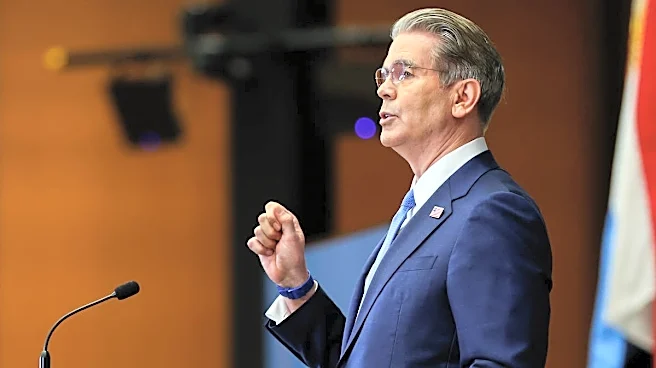
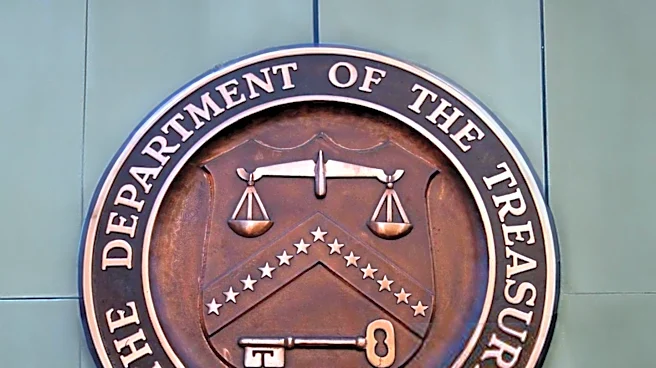
Treasury Secretary Scott Bessent has announced that the Treasury Department has blocked approximately $100 million in payments to deceased individuals, as part of a broader effort to combat fraud. This initiative is part of a new verification system that screened
about 885 million federal payments worth $2.77 trillion, flagging payments heading to deceased individuals. The Government Accountability Office (GAO) has estimated that the federal government loses between $233 billion and $521 billion annually to fraud. The Treasury's integration of the Death Master File into its Do Not Pay system has shown a significant return on investment, preventing or recovering substantial amounts of money.
Why It's Important?
The blocking of payments to deceased individuals highlights the ongoing issue of fraud within federal payment systems. The GAO's estimate of annual fraud losses underscores the need for improved verification and integrity measures. The Treasury's efforts to prevent improper payments reflect a commitment to safeguarding taxpayer money and enhancing the efficiency of government operations. This initiative could lead to increased adoption of payment-integrity tools across federal agencies, potentially reducing fraud and improving fiscal responsibility.
What's Next?
The Treasury's verification system may serve as a model for other federal agencies, encouraging wider adoption of similar tools to combat fraud. Legislative actions, such as the Ending Improper Payments to Deceased People Act, could further support these efforts. The success of the Treasury's initiative may prompt additional measures to enhance payment integrity and reduce fraud across government programs.
Beyond the Headlines
The broader implications of this initiative include potential shifts in government accountability and transparency, as well as increased public trust in federal financial management. The focus on fraud prevention may lead to discussions about the efficiency and effectiveness of government spending, influencing future policy decisions.