


What's Happening?
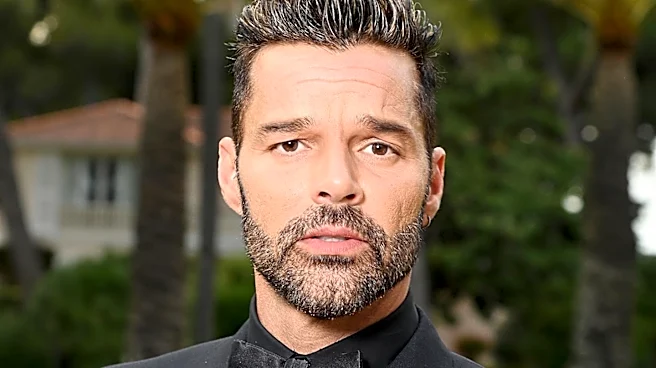
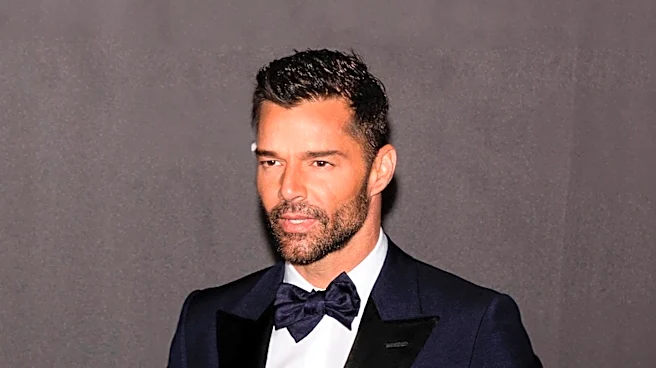
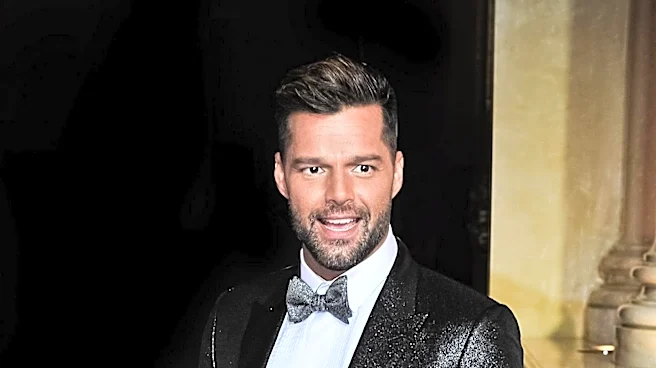
Ricky Martin, a prominent singer who has resided in the United States for years, is actively ensuring his children maintain their Puerto Rican roots and speak Spanish. Despite his children attending schools with few Latino students, Martin emphasizes
the importance of Spanish language and Puerto Rican culture within his home. He stated in an interview with iHeart Radio that his home is a Spanish-speaking environment where culture is paramount. His younger children, Lucía and Renn, both speak Spanish and identify as Puerto Rican, despite being of Syrian and Puerto Rican descent. Martin also highlighted that his children celebrate traditional Puerto Rican holidays, such as awaiting the Three Kings, in addition to Christmas. This approach aims to instill a strong sense of cultural identity in his children while living outside of Puerto Rico.
Why It's Important?
This emphasis on cultural preservation by a public figure like Ricky Martin highlights a broader trend and challenge for immigrant and diaspora communities in the U.S. It underscores the importance of maintaining heritage languages and traditions in a multicultural society. For Latino communities, particularly Puerto Ricans, this effort helps combat cultural assimilation and ensures the continuity of their identity across generations. Martin's decision serves as a model for other families seeking to balance integration into American society with the preservation of their ancestral heritage. It also brings attention to the value of bilingualism and biculturalism, which can offer cognitive benefits and enhance global understanding for individuals. The initiative also subtly advocates for the recognition and celebration of diverse cultures within the American educational and social landscape.
What's Next?
Ricky Martin's continued public advocacy for cultural preservation could inspire other Latino families in the U.S. to reinforce their heritage languages and traditions. This could lead to increased demand for bilingual education programs and culturally relevant resources in schools and communities. Furthermore, his actions might encourage broader discussions about the role of cultural identity in the upbringing of children in immigrant families. The visibility of his efforts could also prompt cultural organizations and community leaders to develop more programs aimed at supporting bicultural development among younger generations. His influence as a celebrity could amplify these messages, potentially fostering a greater appreciation for linguistic and cultural diversity across the nation.
Beyond the Headlines
Ricky Martin's commitment to his children's cultural upbringing extends beyond his immediate family. He has also championed educational initiatives in Puerto Rico, including the establishment of Centro Tau. This educational center, which required a $3 million investment and six years of development, was inaugurated in 2014. Its mission is to provide education and protect the rights of vulnerable children in Puerto Rico, helping them stay in school. The project, initiated by the Ricky Martin Foundation in 2008, received contributions from various foundations, companies, and charitable events, with the Puerto Rican government providing 20% of the total funding. This demonstrates a holistic approach to cultural and social responsibility, linking personal values with broader community development.