









What's Happening?
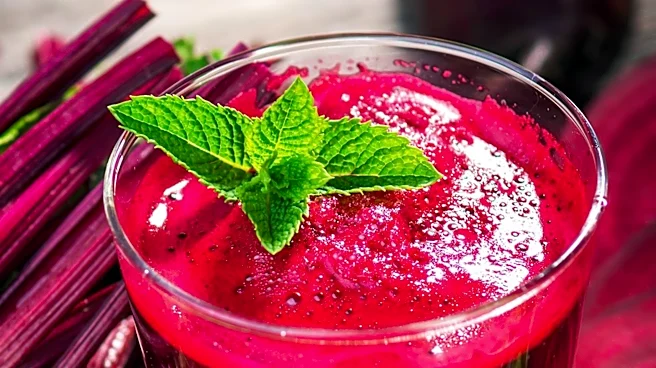
Beetroot juice is becoming increasingly popular among athletes and health enthusiasts due to its potential health benefits. Research led by Andy Jones, an exercise physiologist at the University of Exeter, has shown that beetroot juice, a natural source
of nitrate, can improve stamina during exercise. Nitrate is converted into nitric oxide in the body, which helps widen blood vessels, reducing blood pressure and enhancing oxygen-rich blood flow to muscles. Studies have demonstrated that beetroot juice can extend exercise duration and improve performance in various sports. Additionally, it may lower blood pressure in individuals with hypertension and is being explored for its potential to enhance energy levels and even act as a natural aphrodisiac.
Why It's Important?
The growing interest in beetroot juice highlights a shift towards natural supplements for health and performance enhancement. For athletes, beetroot juice offers a legal and natural way to potentially boost performance, as recognized by the International Olympic Committee. For the general public, its ability to lower blood pressure and possibly increase energy levels presents a non-pharmaceutical option for managing health. However, its effects on blood pressure mean it should be consumed cautiously by those with low blood pressure. The trend also reflects a broader interest in functional foods that offer health benefits beyond basic nutrition.
What's Next?
As the popularity of beetroot juice continues to rise, further research is likely to explore its benefits and potential side effects more comprehensively. This could lead to more widespread adoption among both athletes and the general public. Companies may also develop new products incorporating beetroot extract, targeting specific health benefits such as blood pressure management or energy enhancement. Additionally, the trend may encourage further exploration of other natural foods with similar health-promoting properties.
Beyond the Headlines
The interest in beetroot juice underscores a cultural shift towards natural and holistic health solutions. This trend may influence dietary guidelines and public health recommendations, promoting the inclusion of nitrate-rich foods in regular diets. It also raises questions about the regulation and marketing of natural supplements, as companies may capitalize on these health claims. Ethical considerations regarding the sponsorship of research by supplement manufacturers could also come to the forefront, emphasizing the need for transparency and unbiased scientific inquiry.