






What's Happening?
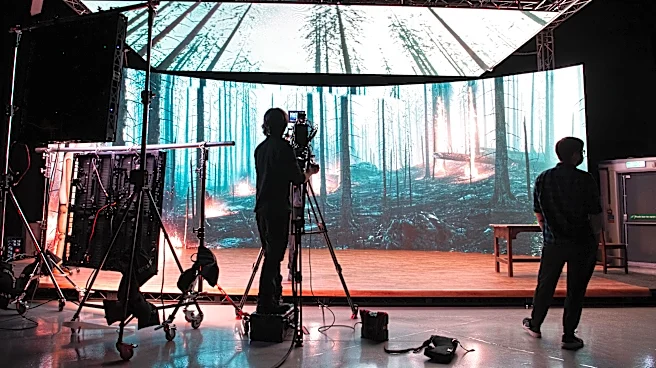
Film students in Los Angeles are facing a challenging job market as they prepare to enter a Hollywood industry undergoing significant transformation. Factors contributing to this include media consolidation, leading to layoffs at major companies like
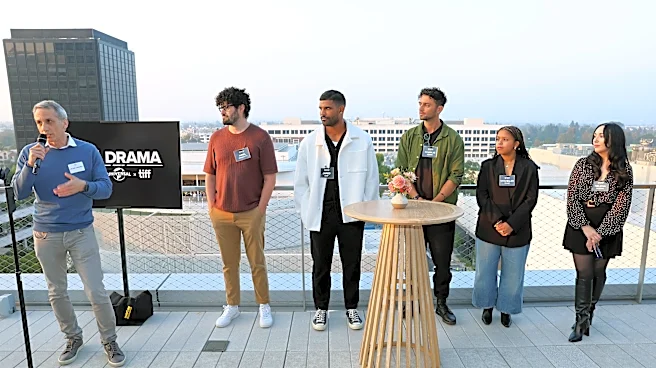
Netflix, Walt Disney, and Warner Bros. Productions are increasingly moving out of California, and the rise of artificial intelligence and vertical video is reshaping content creation and employment opportunities. Despite these hurdles, aspiring filmmakers, screenwriters, and directors continue to flock to Los Angeles, expressing a clear-eyed understanding of the difficulties but a strong determination to succeed. Students from institutions like USC, UCLA, and Loyola Marymount University acknowledge the competitive landscape and the need for resilience, with many preparing for a 'brutal postgrad life' or considering alternative paths within the entertainment ecosystem, such as entertainment law, if initial screenwriting or directing ambitions don't immediately materialize. They remain hopeful that human creativity will prevail over algorithmic trends.
Why It's Important?
The current climate in Hollywood has significant implications for the future of the U.S. entertainment industry and its workforce. The shrinking job market and evolving production landscape could lead to a shift in how talent is developed and employed, potentially favoring those with diverse skill sets or a willingness to adapt to new technologies like AI. This situation also highlights broader economic trends within creative industries, where technological advancements and corporate restructuring can rapidly alter career prospects. For aspiring professionals, it underscores the increasing importance of strategic networking, adaptability, and perhaps even entrepreneurial approaches to content creation. The determination of these students, despite the challenges, suggests a continued influx of creative energy into the industry, but also signals a potential need for educational institutions and industry bodies to re-evaluate training and support systems to better prepare graduates for a more volatile and technologically driven environment.
What's Next?
As these film students graduate, they will likely encounter a highly competitive entry-level market, potentially leading to a greater reliance on freelance work, independent projects, or roles outside traditional studio structures. The industry may see a continued push towards more cost-effective production models, further integrating AI into various stages of filmmaking, from script development to post-production. This could necessitate a new generation of filmmakers who are not only creatively adept but also technologically proficient. Universities might adapt their curricula to emphasize emerging technologies and business models within entertainment. Furthermore, the resilience and innovative spirit of these new entrants could drive a 'renaissance in indie movies,' as some students hope, potentially leading to new forms of storytelling and distribution that challenge established norms and offer fresh perspectives to audiences tired of recycled content.
Beyond the Headlines
The challenges faced by these film students reflect a deeper societal conversation about the future of creative labor in an increasingly automated and consolidated economy. The tension between human creativity and algorithmic influence in content creation raises ethical questions about artistic integrity, originality, and the value of human storytelling. If algorithms dictate audience preferences, there's a risk of homogenization in entertainment, potentially stifling diverse voices and experimental narratives. Moreover, the economic pressures on emerging artists could exacerbate existing inequalities, making it harder for individuals without significant financial backing to break into the industry. This situation could also foster a more entrepreneurial spirit among filmmakers, pushing them to create their own platforms and distribution channels, thereby decentralizing power within the entertainment ecosystem and potentially leading to a more democratized landscape for content creation.