






What's Happening?
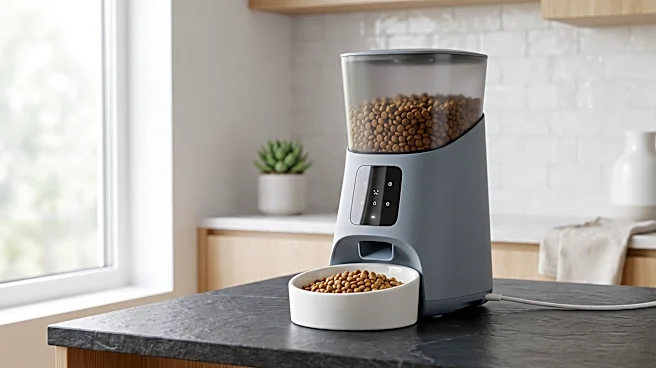
Many automatic pet feeders, while solving the core problem of consistent feeding, often introduce new usability frustrations for pet owners. One common issue is the reliance on D batteries, which, despite their long life, require inconvenient procedures
like turning the feeder upside down for replacement. The interfaces of these devices are frequently described as abstruse, with complex button combinations and non-intuitive programming that make simple tasks, like dispensing extra portions or adjusting schedules, difficult. Clocks on different feeders can drift out of sync, leading to inconsistent feeding times. Additionally, mechanical issues such as noisy food treadmills or minimum portion sizes that are too large contribute to owner dissatisfaction. Some newer models attempt to address these problems with wall power and battery backup, quieter silicone wheel designs, and more intuitive interfaces, but these can also be prone to damage or lack durability.
Why It's Important?
The challenges associated with automatic pet feeders highlight a broader issue in consumer technology: the gap between intended functionality and practical usability. For pet owners, these devices are meant to simplify daily routines and ensure pet welfare, especially for those with busy schedules or multiple pets with complex feeding needs. When these devices are difficult to operate or unreliable, they can cause significant stress and undermine the very purpose for which they were purchased. This situation reflects a need for product designers to prioritize user experience, intuitive interfaces, and robust construction in pet tech. The market for pet care products is substantial, and addressing these usability concerns could lead to more successful products and greater consumer satisfaction, ultimately benefiting both pet owners and their animals.
What's Next?
Manufacturers of automatic pet feeders will likely continue to refine their designs, focusing on improving user interfaces, enhancing durability, and offering more flexible power options. The trend towards smart home integration suggests that future feeders might incorporate more seamless app control, voice commands, and AI-driven feeding schedules that adapt to pet behavior. There could also be a move towards more modular designs, allowing for easier maintenance and replacement of components like feeding wheels or battery compartments. As consumer feedback on usability issues becomes more prominent, companies that prioritize intuitive design and robust engineering will likely gain a competitive edge in the pet tech market. The development of more 'pet-proof' and 'owner-friendly' devices will be key to widespread adoption and satisfaction.
Beyond the Headlines
The frustrations with automatic pet feeders touch upon the ethical considerations of outsourcing care responsibilities to technology. While automation can be beneficial, an over-reliance on poorly designed tech can inadvertently neglect the nuanced needs of pets and the emotional connection between pets and owners. The 'set it and forget it' mentality, when coupled with difficult-to-manage devices, can lead to unintended consequences for animal health and behavior. This situation also reflects the broader societal trend of integrating technology into every aspect of daily life, raising questions about the balance between convenience and genuine engagement. For the pet industry, it underscores the importance of designing products that truly enhance, rather than complicate, the human-animal bond, ensuring that technological solutions are truly beneficial and not just novelties.