




What's Happening?
After less than a year of operation, the Beverly Hills restaurant 88 Club, previously led by Top Chef winner Mei Lin, has rebranded and will reopen as Tiger Tiger on August 29. The new establishment will be under the leadership of original opening partner
Francis Miranda. This transformation marks a shift from 88 Club's initial glamorous, high-end concept to a more casual dining experience with an expansive menu featuring a range of Chinese regional influences at a more affordable price point. Chef Michael Chih, with over 51 years of experience in restaurant cooking, will lead Tiger Tiger's kitchen. The separation from Mei Lin was mutual, with Miranda indicating differing philosophies on the restaurant's direction, moving from a chef-driven model to a more guest-driven approach to encourage repeat visits.
Why It's Important?
This rebranding reflects a significant trend in the U.S. restaurant industry, particularly in high-cost areas like Beverly Hills, where establishments are adapting to consumer preferences for value and accessibility. The decision to pivot from a high-end, chef-driven concept to a more casual, affordable model highlights the challenges faced by fine dining in maintaining repeat clientele amidst rising operational costs and evolving market demands. For consumers, this means more diverse and accessible Chinese cuisine options in a prominent dining destination. For the industry, it underscores the importance of flexibility and responsiveness to customer feedback, as well as the ongoing struggle for profitability in a competitive and uncertain economic climate. The move also showcases the resilience of restaurateurs like Francis Miranda, who are willing to re-evaluate and transform their business models to ensure long-term viability.
What's Next?
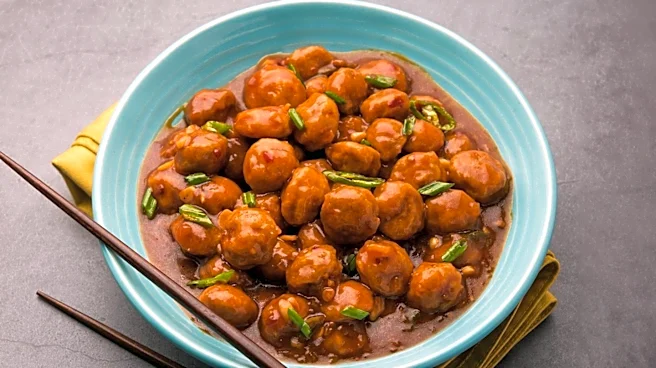
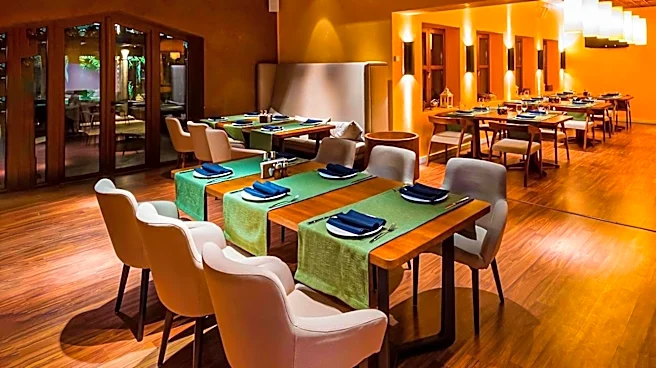
Tiger Tiger is set to open on August 29, introducing its new menu and dining concept to the Beverly Hills community. The restaurant will feature dishes such as black pepper filet mignon, crispy crab rangoons, General Tso’s chicken, and Szechuan whole fish, with an estimated meal cost of around $120 for two. The interior will retain much of its original design but will incorporate Chinoiserie and tiger motifs. The success of Tiger Tiger will be closely watched as it attempts to establish itself as a neighborhood staple, encouraging weekly visits rather than occasional high-cost experiences. This transition could serve as a case study for other restaurants grappling with similar challenges in the current hospitality landscape, potentially influencing future trends in restaurant development and pricing strategies in urban centers across the U.S.
Beyond the Headlines
The transformation of 88 Club into Tiger Tiger speaks to a broader cultural and economic shift in how Americans perceive and consume dining experiences. The move towards more casual, yet authentic, ethnic cuisine reflects a growing appreciation for diverse culinary traditions that are both high-quality and approachable. This trend also highlights the increasing pressure on celebrity chefs and high-concept restaurants to deliver not just culinary excellence, but also sustainable business models that resonate with a wider audience. The emphasis on a 'guest-driven' approach suggests a deeper understanding of community needs and the desire for dining establishments that foster regular engagement rather than just special occasion visits. This shift could lead to a more democratic and inclusive dining scene, where culinary innovation is balanced with affordability and accessibility, ultimately enriching the gastronomic landscape of U.S. cities.