



What's Happening?
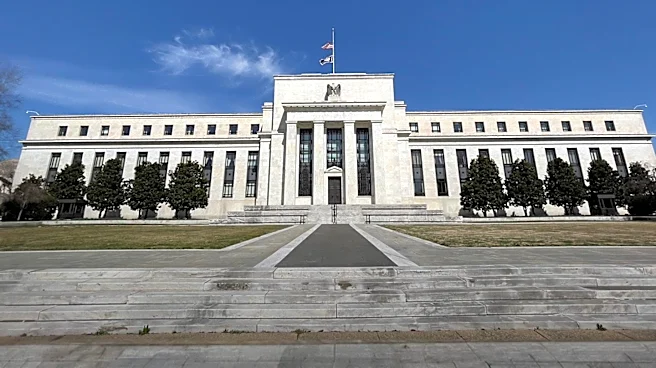
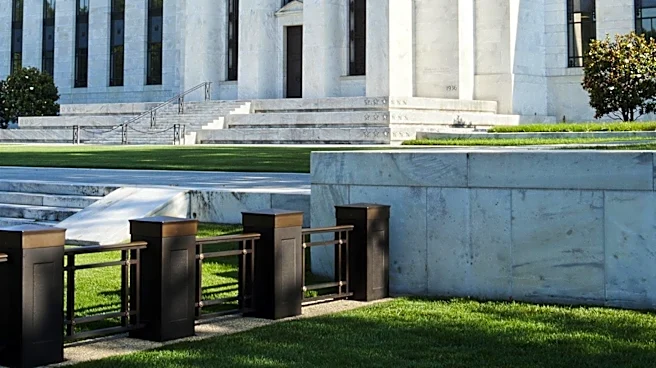
The Federal Reserve is considering raising interest rates in 2026 due to a combination of factors including a strong economy, persistent inflation, and rising energy costs. The Institute for Supply Management's manufacturing index reached 55.6, marking
its highest level in four years and indicating economic expansion. This development, along with record corporate profitability and firming inflation indicators such as the Consumer Price Index (CPI) and Producer Price Index (PPI), suggests that the economy might withstand another rate hike. The Federal Reserve's current target range for federal funds is 3.50% to 3.75%, and policymakers are focused on achieving a 2% inflation target.
Why It's Important?
The potential rate hike by the Federal Reserve is significant as it reflects the central bank's response to a robust economy and persistent inflation. A rate increase could impact borrowing costs for consumers and businesses, potentially slowing down economic activity. However, it also signals confidence in the economy's strength. The decision to raise rates could affect various sectors, including housing, consumer spending, and corporate investment. Additionally, the ongoing conflict involving Iran and its impact on global energy supplies could further influence inflation and economic stability.
What's Next?
If the Federal Reserve decides to raise interest rates, it could lead to adjustments in financial markets and influence economic policy decisions. Stakeholders such as investors, businesses, and policymakers will closely monitor upcoming economic data, including inflation and employment reports, to gauge the likelihood of a rate hike. The Federal Reserve's actions will also be scrutinized for their potential impact on economic growth and inflation control.