








What's Happening?
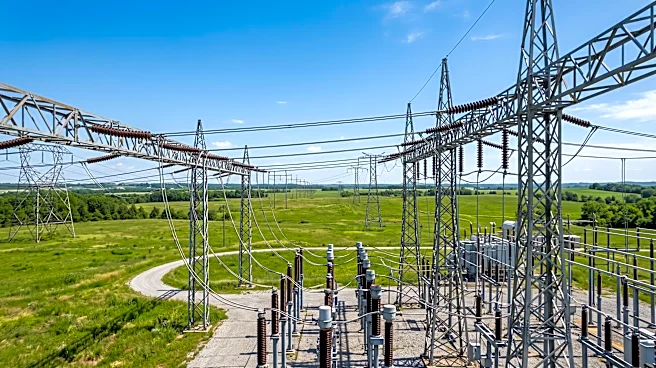
Germany is investigating the potential implementation of independent system operators (iDSOs) for its electricity distribution grids to address fragmentation and high costs. Currently, Germany has 851 distribution system operators (DSOs), leading to fragmented
service and inefficiencies. Previous attempts to merge these numerous DSOs have been unsuccessful. Experts Andreas Jahn and Zsuzsanna Pató propose a regional iDSO regime as a viable solution. They suggest that by adopting a model similar to Flanders' iDSO Fluvius, Germany could scale up operational solutions and provide more harmonious service across larger geographical areas. The proposal aims to align iDSOs with existing transmission service operator redispatch zones to lower costs and improve overall service delivery.
Why It's Important?
The current fragmented structure of Germany's electricity distribution grids results in inefficiencies and higher operational costs, which can ultimately impact consumers and the broader economy. Implementing iDSOs could streamline operations, enhance grid stability, and potentially reduce energy prices. For the U.S., this development in Germany's energy sector is important as it offers a case study in managing complex energy infrastructure in a highly industrialized nation. Lessons learned from Germany's experience with iDSOs could inform discussions and strategies for improving grid efficiency and cost-effectiveness in the U.S., particularly as both countries navigate the transition to more renewable energy sources and modernized grids. The success of such a model could demonstrate a path toward more resilient and economically viable energy systems.
What's Next?
The proposal by Andreas Jahn and Zsuzsanna Pató suggests that Germany will likely continue to explore and potentially pilot the iDSO model. The next steps would involve detailed feasibility studies, regulatory adjustments, and stakeholder consultations to determine the best approach for integrating iDSOs into Germany's existing energy framework. If successful, this could lead to a significant restructuring of the country's electricity distribution landscape. The alignment of iDSOs with transmission service operator redispatch zones indicates a move towards a more integrated and optimized national grid system. This initiative could serve as a blueprint for other nations facing similar challenges with fragmented energy infrastructure.
Beyond the Headlines
The move towards iDSOs in Germany reflects a broader trend in developed economies to optimize critical infrastructure through independent management and regional consolidation. This approach aims to depoliticize operational decisions and focus on technical and economic efficiency. The challenge lies in overcoming the inertia of existing structures and the vested interests associated with numerous smaller DSOs. The success of iDSOs could also have implications for cybersecurity in energy grids, as a more consolidated and harmonized system might allow for more robust and coordinated defense mechanisms against cyber threats. Furthermore, it could accelerate the integration of distributed energy resources, such as rooftop solar and local battery storage, by providing a more efficient and flexible grid management system.