




What's Happening?
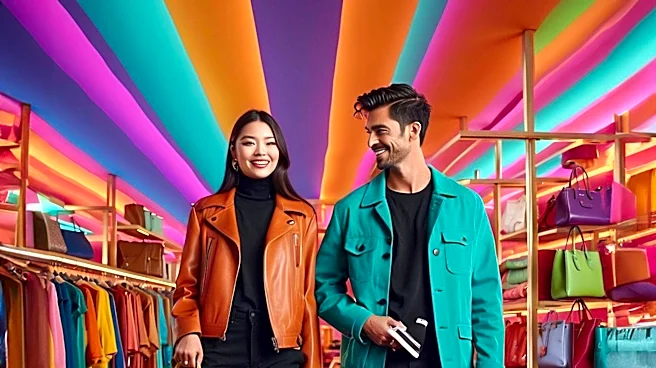
Bloomingdale's, a luxury department store chain owned by Macy's, Inc., has introduced an immersive in-store shopping experience called 'Hotel Bloomingdale's' at its New York City 59th Street flagship. This initiative, running through October 19, 2026,
is a partnership with The Ritz-Carlton, aiming to transform the traditional retail environment into an experiential destination. The 'Hotel Bloomingdale's' concept integrates hospitality with fashion, beauty, wellness, home, and travel brands, encouraging product discovery through five hotel-inspired destinations: Travel, The Spa, Room Service, Souvenirs, and Newsstand. The launch also features an exclusive 26-piece AQUA x Nicky Hilton collection and various activations, including a Ritz-Carlton-inspired hotel bar (Studio 59), a La Prairie Spa residence, and a Nespresso Coffee Bar. This move is part of a broader retail trend where physical stores are evolving beyond mere transaction points to become marketing platforms and experiential hubs. For customers unable to visit the flagship, the KILIAN PARIS Bar experience will be available in select stores, offering mixology classes and fragrance consultations.
Why It's Important?
This strategic shift by Bloomingdale's highlights a significant evolution in the U.S. retail landscape, where traditional brick-and-mortar stores are facing pressure from changing consumer habits and rising costs. With projections indicating a net loss of 2,400 stores among chain retailers in 2026, the investment in immersive experiences is crucial for survival and growth. By transforming stores into destinations, Bloomingdale's aims to provide unique and memorable reasons for customers to visit physical locations, complementing their online shopping experiences. This approach can enhance brand image, foster direct communication with consumers, and potentially increase in-store foot traffic and sales. The collaboration with The Ritz-Carlton also demonstrates the value of cross-industry partnerships in creating novel consumer engagement models. Retailers that successfully adapt to this experiential model stand to gain a competitive edge, while those that fail to innovate risk further decline in a volatile market.
What's Next?
The success of 'Hotel Bloomingdale's' will likely influence future experiential retail strategies across the U.S. retail sector. Other department stores and luxury brands may observe Bloomingdale's outcomes to refine their own approaches to in-store engagement. The initiative's performance, particularly in terms of customer footfall, engagement metrics, and sales uplift, will be closely monitored. If successful, Bloomingdale's may expand similar immersive concepts to other flagship locations or develop new partnerships. The broader retail industry is expected to continue exploring innovative ways to integrate technology, hospitality, and unique brand collaborations to create compelling physical shopping environments. This trend could lead to increased investment in smart store technologies, omnichannel innovations, and personalized customer experiences, further blurring the lines between retail, entertainment, and service industries.
Beyond the Headlines
The move towards experiential retail, as exemplified by Bloomingdale's, reflects a deeper cultural shift in consumer expectations. Shoppers are increasingly seeking more than just products; they desire engaging narratives, personalized interactions, and memorable experiences that cannot be replicated online. This trend challenges the traditional transactional model of retail, pushing brands to become curators of lifestyle and culture. The ethical implications of data usage in personalizing these experiences, as well as the environmental impact of creating elaborate in-store installations, will become increasingly relevant. Furthermore, the emphasis on physical stores as 'marketing platforms' suggests a re-evaluation of real estate value, where prime locations are not just for sales but for brand building and customer loyalty. This could lead to a redefinition of retail spaces, potentially fostering more community-centric hubs that offer a blend of commerce, leisure, and social interaction.