










What's Happening?
Elon Musk's designation as the world's first trillionaire is under scrutiny due to the volatile valuation of SpaceX, which significantly influences his net worth. SpaceX's public offering on June 12 led to a temporary surge in Musk's wealth, surpassing
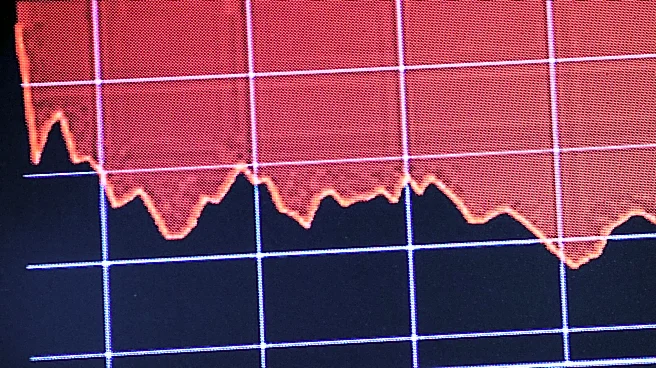
the trillion-dollar mark. However, fluctuations in stock prices have since caused his fortune to dip below this threshold. The valuation of SpaceX, which constitutes nearly 78% of Musk's net worth, is considered debatable, raising questions about the legitimacy of his trillionaire status. Critics argue that Musk's wealth is largely tied to paper assets, which are subject to rapid devaluation.
Why It's Important?
The discussion around Musk's trillionaire status highlights the broader issue of how wealth is calculated and perceived, particularly when it is heavily reliant on volatile stock valuations. This situation underscores the potential risks for investors and the market when valuations are based on speculative metrics rather than tangible assets. The case of Musk's wealth also reflects the challenges in assessing the true financial standing of individuals whose fortunes are tied to private companies with fluctuating market values. This could influence public perception and investor confidence in such high-profile figures and their ventures.
What's Next?
As SpaceX continues to navigate the public market, its stock performance will be closely monitored. The company's upcoming inclusion in the Nasdaq 100 index is expected to drive further investment activity, potentially stabilizing its valuation. However, the ability of insiders to sell shares shortly after the IPO could introduce additional volatility. Investors and analysts will likely keep a close watch on SpaceX's financial disclosures and market behavior to assess the sustainability of its valuation and, by extension, Musk's net worth.
Beyond the Headlines
The situation with Musk's wealth raises ethical questions about the transparency and accountability of wealth reporting, especially for influential figures. It also prompts a reevaluation of how financial success is measured in the tech industry, where speculative investments often overshadow traditional financial metrics. This could lead to calls for more stringent regulations and clearer guidelines on wealth reporting and valuation practices.