


What's Happening?
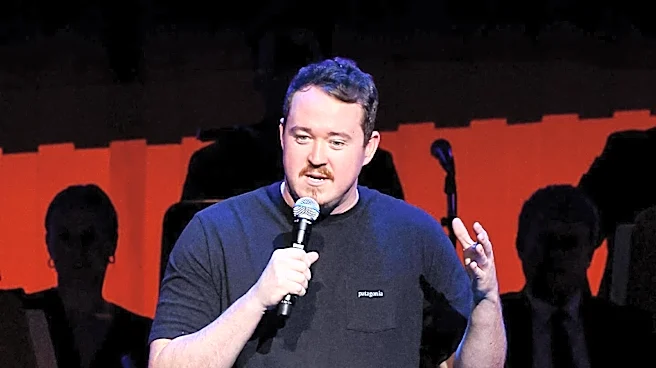
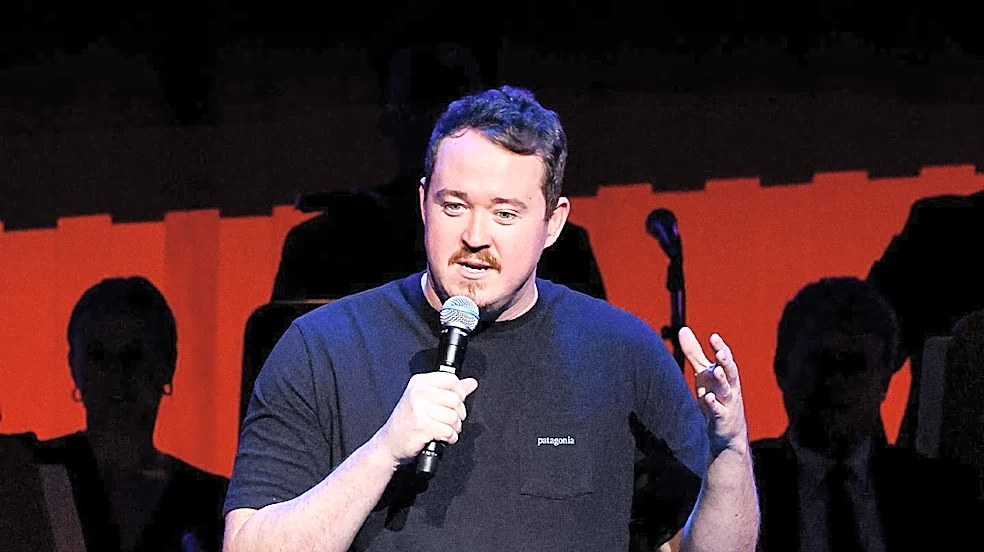
Comedian Shane Gillis's recent monologue on 'Saturday Night Live' has ignited significant controversy due to its content, which included homophobic and misogynistic jokes. This marks Gillis's third appearance as host since his initial firing from the
show in 2019 over resurfaced racist social media posts. The monologue featured remarks comparing his appearance in a beer commercial to a lesbian and comments on how women dress at the gym. Previous monologues by Gillis have also contained offensive material, including jokes about people with Down syndrome and racist comments. The latest incident has drawn criticism from media pundits, social media influencers, and several past and present 'SNL' figures, including 'Weekend Update' co-host Michael Che, graphic designer Jessie Leo, former writer Paula Pell, and former cast members Ego Nwodim and Cecily Strong. Despite the growing outrage, 'SNL' and its longtime producer Lorne Michaels have not yet issued a public comment on the matter. Michaels had previously described the initial backlash against Gillis as an 'overreaction' and expressed that Gillis was 'really talented' and would have been 'really good for us.'
Why It's Important?
The repeated controversies surrounding Shane Gillis's appearances on 'Saturday Night Live' highlight ongoing tensions within the entertainment industry regarding offensive humor, accountability, and creative freedom. Lorne Michaels's decision to repeatedly invite Gillis back, despite his history of problematic content and previous firing, suggests a potential prioritization of audience draw or a belief in Gillis's comedic talent over concerns about the show's reputation and the impact of such material. This situation could alienate portions of 'SNL's' audience and creative staff who find the jokes offensive, potentially leading to a decline in viewership or internal dissent. The lack of comment from Michaels or NBC also raises questions about the network's stance on controversial content and its responsibility to address public outcry. The incident further fuels broader discussions about cancel culture, the boundaries of comedy, and the role of major media platforms in platforming controversial figures, impacting public discourse on what is considered acceptable in mainstream entertainment.
What's Next?
The immediate future will likely see continued public debate and criticism directed at 'Saturday Night Live' and Lorne Michaels regarding Shane Gillis's monologue. As 'SNL' is currently on break and scheduled to return for a Halloween episode in two weeks, Michaels may choose to address the controversy publicly or through internal communications before the show resumes. The reactions from advertisers and sponsors could also influence future decisions regarding guest hosts and content vetting. There may be increased pressure on NBC to issue a statement or implement clearer guidelines for comedic content, especially given the involvement of current and former 'SNL' personnel in the criticism. Depending on the sustained intensity of the backlash, there could be calls for changes in leadership or editorial oversight at 'SNL'. The incident may also prompt other comedians and networks to re-evaluate their approaches to stand-up material and guest selections to avoid similar controversies.
Beyond the Headlines
This ongoing saga with Shane Gillis and 'SNL' delves into deeper cultural and ethical questions about the nature of comedy and its societal role. It highlights a persistent tension between artistic expression and social responsibility, particularly when humor touches on sensitive topics like misogyny, homophobia, and racism. The repeated platforming of a comedian with a history of controversial remarks, despite previous public outcry and internal dissent, could signal a broader shift in how major media institutions navigate 'edgy' content. It also raises questions about the power dynamics within the entertainment industry, where a long-standing producer like Lorne Michaels might exercise significant autonomy in talent selection, even in the face of widespread criticism. This situation could contribute to a re-evaluation of what constitutes acceptable humor in mainstream media and whether the pursuit of shock value outweighs the potential for harm or offense, potentially influencing future comedic trends and industry standards.