

What's Happening?
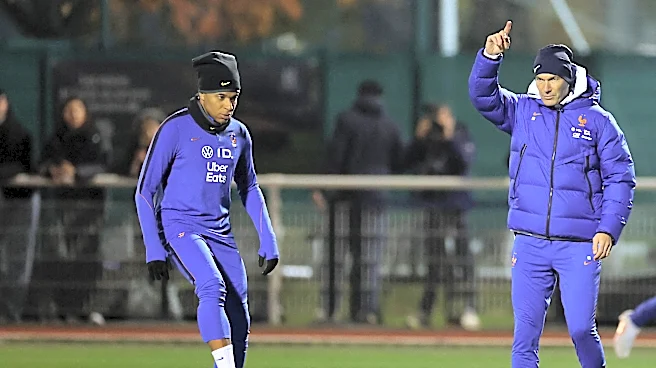
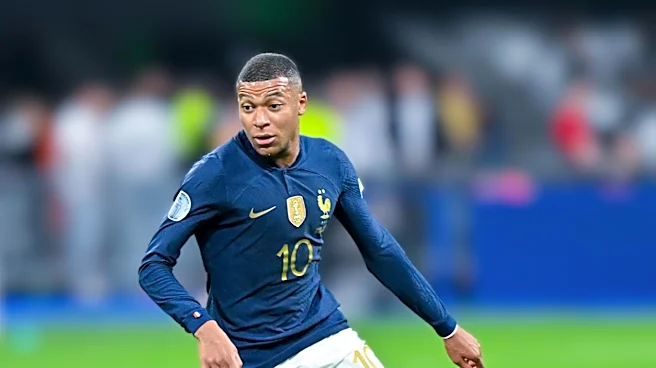
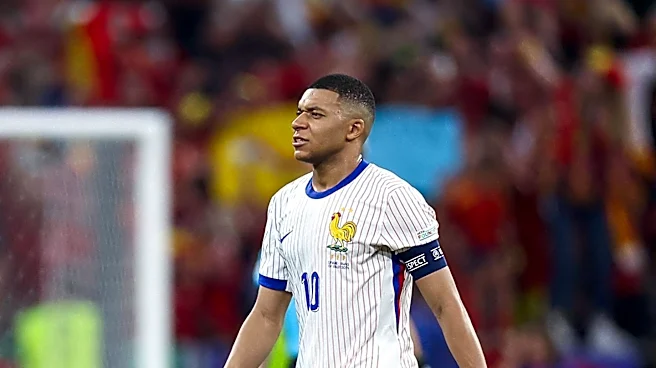
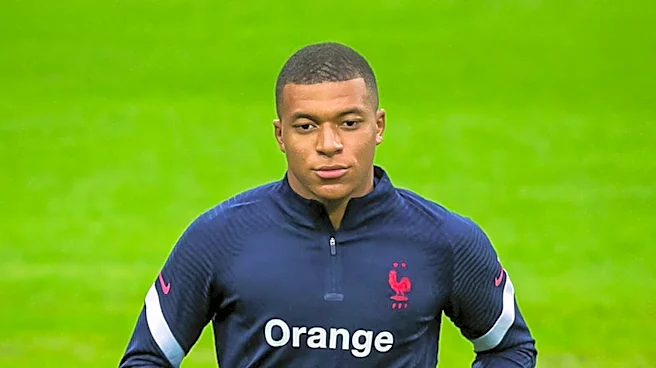
Kylian Mbappé will not play for France in their UEFA Nations League match against Italy on November 12, 2026. Officially, his absence is attributed to hamstring discomfort, as confirmed by France coach Zinedine Zidane. However, reports from French media,
specifically L'Équipe via Gazzetta, suggest that the hamstring injury might not be the sole reason for his omission. These reports indicate a growing isolation of Mbappé within the France national team dressing room. It is reported that Mbappé is frustrated over not winning the Ballon d'Or this year, and some teammates, including Ousmane Dembélé, are reportedly unhappy with what they perceive as Mbappé's increasing focus on personal accolades over team success. Tensions have reportedly escalated, with Mbappé's attempt to contact Dembélé going unanswered, further contributing to his isolation. Coach Zidane is said to be prioritizing group harmony and equal treatment for all players, which Mbappé reportedly feels has led to a decrease in support and attention for him from the new national team head coach. Mbappé previously missed the reverse fixture against Italy, which ended in a 1-1 draw.
Why It's Important?
The situation surrounding Kylian Mbappé's absence from the France national team, particularly the reports of internal team friction, carries significant implications for both the team's performance and Mbappé's standing in international football. For the French national team, internal discord, especially involving a star player like Mbappé, could disrupt team cohesion and morale, potentially affecting their performance in crucial tournaments like the UEFA Nations League and future competitions. The perceived shift in focus from team success to individual accolades could undermine the collective spirit essential for high-level sports. For Mbappé, these reports could impact his public image and his relationship with teammates and fans. While a hamstring injury is a clear physical reason for absence, the underlying issues of isolation and perceived ego could lead to long-term challenges in his international career, potentially affecting his leadership role and overall influence within the squad. This situation highlights the delicate balance between individual ambition and team dynamics in professional sports, where even top-tier talent can face challenges if not integrated harmoniously within the team structure.
What's Next?
Following his omission from the match against Italy, Kylian Mbappé is expected to be on the bench but not involved in the game. Coach Zinedine Zidane has expressed hope that Mbappé will be fit for France's next match against Turkey on November 15, 2026. This upcoming fixture will be a critical test for Mbappé's physical recovery and his reintegration into the team, especially given the reports of internal friction. The team's performance in the upcoming match, with or without Mbappé's active participation, will be closely watched for any signs of lingering discord or a return to team unity. Observers will also be keen to see how Mbappé interacts with his teammates and the coaching staff, and whether any public statements are made to address the reported issues of isolation. The outcome of these immediate next steps could significantly influence the team's dynamics and Mbappé's role moving forward in the UEFA Nations League and beyond.
Beyond the Headlines
The reported internal strife within the French national team, particularly concerning Kylian Mbappé, extends beyond mere sports performance, touching upon broader themes of leadership, team psychology, and the impact of individual celebrity in collective endeavors. The tension between a star player's pursuit of personal accolades and the collective goals of a team is a recurring challenge in high-stakes sports. This situation could prompt a deeper examination of how national teams manage highly talented individuals, ensuring their integration without alienating other team members. Ethically, it raises questions about the responsibility of star athletes to prioritize team harmony and the role of coaching staff in mediating such conflicts. Culturally, it reflects the increasing media scrutiny and public expectation placed on elite athletes, where every action and perceived motive is dissected. The resolution of this situation, whether through improved communication, a shift in team dynamics, or a change in player roles, could set a precedent for how similar issues are handled in other national sports teams, highlighting the complex interplay between individual ambition and collective success.