



What's Happening?
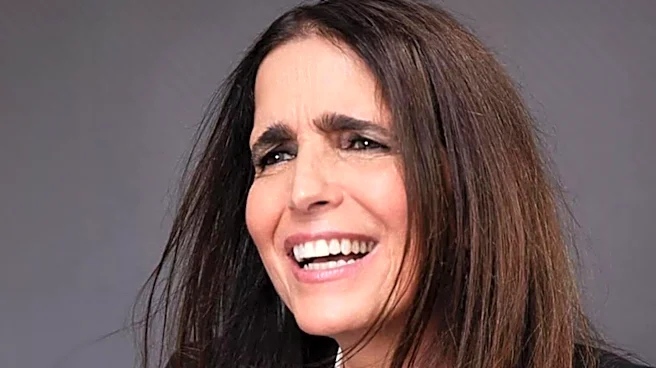
Actress Julia Louis-Dreyfus, known for her role as Elaine Benes in 'Seinfeld,' has revealed that there was significant friction behind the scenes during the production of the iconic sitcom. Speaking on the podcast 'Friends Keep Secrets,' Louis-Dreyfus stated
that while the overall atmosphere was collaborative and fun, there were frequent clashes and disagreements among the cast and crew. She explained that creating a high-quality show inevitably leads to differing opinions and 'butting heads.' Louis-Dreyfus specifically mentioned that pitching ideas to co-creators Jerry Seinfeld and Larry David sometimes resulted in arguments. Despite these tensions, she emphasized that these conflicts were part of the intense effort required to make the show successful and did not detract from the cast's camaraderie, which she described as 'just being friends together and just hanging out.' She also recalled her initial impression that 'Seinfeld' was unusual and had unique potential, though she feared NBC might not recognize its value.
Why It's Important?
Julia Louis-Dreyfus's revelations offer a rare glimpse into the often-unseen complexities of television production, particularly for a show as critically acclaimed and culturally significant as 'Seinfeld.' This insight challenges the public perception of a seemingly effortless and harmonious creative process, highlighting the intense labor and creative tensions that can underpin successful artistic endeavors. For the entertainment industry, it underscores that even the most beloved and seemingly natural performances are the result of rigorous work and negotiation, rather than spontaneous chemistry alone. This perspective can influence how future productions are approached, emphasizing the importance of managing creative differences while fostering a collaborative environment. It also provides valuable context for fans and scholars of television, enriching the understanding of 'Seinfeld's' legacy and the dynamics that shaped its groundbreaking humor and character development.
What's Next?
The revelations from Julia Louis-Dreyfus are likely to spark renewed interest and discussion among 'Seinfeld' fans and television critics, potentially leading to further retrospectives or interviews with other cast and crew members about their experiences. This could encourage a deeper examination of the show's production history and the creative processes involved in its making. For Louis-Dreyfus herself, these comments contribute to her ongoing public narrative as a seasoned and candid industry veteran, potentially influencing her future roles or projects where she might draw on these experiences. The discussion could also prompt other actors and creators to share their own behind-the-scenes stories, fostering a more transparent dialogue about the realities of working in Hollywood and the balance between creative vision and collaborative execution.
Beyond the Headlines
Beyond the immediate news, Louis-Dreyfus's comments touch upon broader themes of creative collaboration and conflict resolution in high-pressure environments. The idea that 'butting heads' is a natural and even necessary part of producing something 'really well' suggests that friction, when managed constructively, can be a catalyst for innovation and quality. This perspective has implications beyond the entertainment industry, resonating with any field that relies on team-based creative output. It highlights the often-unseen labor and emotional investment required to achieve excellence, contrasting with the polished final product. Furthermore, her initial doubt about NBC's ability to appreciate the show's 'unusual' nature speaks to the perennial challenge of artistic innovation facing institutional gatekeepers, where groundbreaking work may initially be misunderstood or undervalued before achieving widespread recognition.