


What's Happening?
Home spa rituals are gaining traction as a way to create a relaxing environment without requiring extensive renovations or significant time commitments. The focus is on incorporating natural textures, warm baths or foot soaks, and high-quality products.
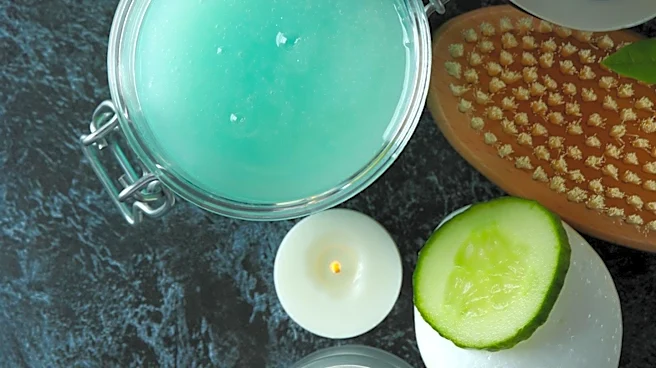
Key elements include scent layering using essential oils with reed diffusers or drops on stones, grouping candles in odd numbers for a soft glow, and utilizing bath pillows for extended comfort during soaks. Exfoliating body gloves and moisturizing wraps are also highlighted as part of a comprehensive bath and body ritual. The approach emphasizes intentional simplicity, suggesting that a few carefully chosen details can transform ordinary self-care into a spa-like experience. This trend allows individuals to customize their relaxation routines to fit their schedules and preferences, whether it's a full bath or a quick foot soak.
Why It's Important?
This trend is important as it reflects a broader societal shift towards prioritizing self-care and mental well-being, particularly in the comfort of one's home. In a fast-paced world, the ability to create a personal sanctuary for relaxation can significantly impact stress reduction and overall quality of life. For U.S. consumers, this means a growing market for home spa products, from bath salts and essential oils to specialized bath accessories and skincare. Businesses in the beauty, wellness, and home goods sectors stand to gain from this demand, as consumers seek to replicate professional spa experiences at a lower cost and with greater convenience. The emphasis on natural ingredients and mindful consumption also aligns with increasing consumer awareness regarding product quality and sustainability. This movement empowers individuals to take control of their well-being, fostering a culture of intentional self-nurturing.
What's Next?
The home spa trend is likely to continue evolving with an increased focus on personalized and sustainable products. Consumers can expect to see more innovations in bath and body care, including advanced formulations for bath salts, essential oil blends, and eco-friendly exfoliating tools. The market may also expand to include smart home devices that enhance the spa experience, such as automated scent diffusers or mood lighting systems. Retailers will likely offer more curated 'spa-at-home' kits and subscription boxes, making it easier for individuals to access a variety of products. Additionally, there could be a rise in educational content and workshops, both online and in-person, guiding consumers on how to effectively create and maintain their home spa rituals. The integration of technology and natural wellness practices will be a key area of development.
Beyond the Headlines
Beyond the immediate market implications, the rise of home spa rituals points to a deeper cultural shift towards valuing personal time and mental health. It challenges the traditional notion that luxury and relaxation must be sought outside the home, instead promoting the idea that everyday spaces can be transformed into havens of tranquility. This trend also highlights the ethical considerations around product sourcing and environmental impact, as consumers increasingly prefer brands that align with their values. The emphasis on 'natural textures' and 'quality products' suggests a move away from mass-produced, synthetic items towards more artisanal and thoughtfully crafted goods. Ultimately, home spa rituals are not just about physical pampering but also about fostering a mindful approach to self-care, encouraging individuals to disconnect from digital distractions and reconnect with their inner selves.