


What's Happening?
Wasteland Weekend, recognized as the world's largest post-apocalyptic festival, transforms a section of California's Mojave Desert into a fictional, dystopian settlement. Inspired by the 'Mad Max' film series and the creative spirit of Burning Man, the four-day
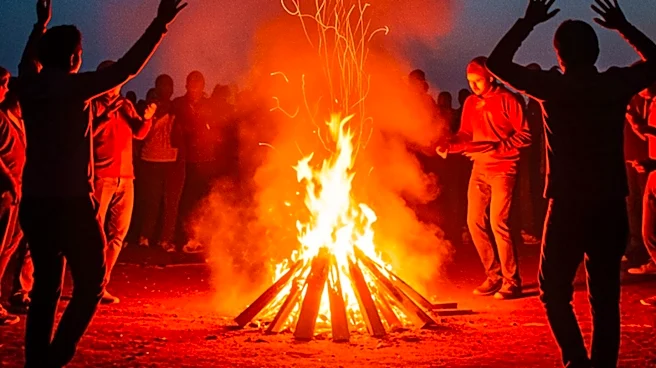
event, founded in 2010, attracts nearly 3,000 enthusiasts. Participants fully immerse themselves in the theme by adhering to a strict dress code featuring weathered fabrics, leather accessories, protective gear, and improvised armor. Beyond costumes, attendees bring heavily modified vehicles, transforming cars, trucks, and other machines into post-apocalyptic creations with unusual bodywork and industrial attachments. The festival organizers also contribute significantly by designing and constructing elaborate installations and set pieces that resemble abandoned settlements and remnants of a fallen civilization, creating an immersive experience where participants become an integral part of the fictional world.
Why It's Important?
Wasteland Weekend represents a significant cultural phenomenon, showcasing the growing appeal of immersive themed experiences and the power of collective creative expression. Its success highlights a niche market for dystopian entertainment and survival culture, demonstrating how shared interests can foster vibrant, temporary communities. The festival's strict adherence to a dress code and the elaborate vehicle modifications underscore a high level of participant commitment, turning attendees into active contributors rather than passive observers. This level of engagement fosters a unique sense of belonging and shared identity among participants. Economically, the event brings a temporary influx of visitors and resources to a remote desert location, impacting local services and businesses, even if indirectly, through the preparation and travel involved.
Beyond the Headlines
The popularity of Wasteland Weekend reflects a broader societal fascination with post-apocalyptic narratives and survivalism, which can be seen as a response to contemporary anxieties about environmental collapse, technological disruption, or societal breakdown. The festival provides a safe and creative outlet for exploring these themes, allowing participants to engage with hypothetical futures in a playful yet deeply committed manner. The emphasis on DIY aesthetics, resourcefulness, and community building within a fictional collapse scenario can also be interpreted as a form of 'prepper' culture, but channeled through artistic and social expression. This event, much like Burning Man, offers a temporary escape from modern life, allowing individuals to experiment with alternative identities and social structures in a highly curated environment.