






What's Happening?
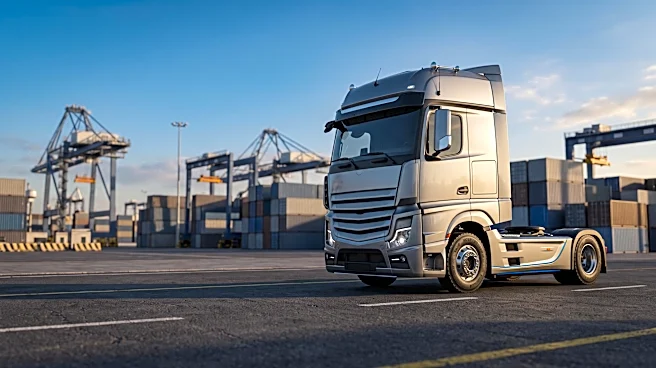
UltraTech Cement Limited, a flagship company of the Aditya Birla Group, announced plans to expand its fleet of heavy-duty electric trucks to more than 600 by December 2026. This initiative is part of the company's broader strategy to reduce emissions
from its logistics operations. UltraTech has entered into service contracts with major electric vehicle manufacturers, including Tata Motors, Ashok Leyland, IPLTech, Energy in Motion, and Sany, along with their subsidiaries and other third-party logistics providers. These electric trucks will be responsible for transporting approximately five million tonnes of clinker and other essential materials annually across several Indian states, including Gujarat, Uttar Pradesh, Madhya Pradesh, Rajasthan, Chhattisgarh, Maharashtra, and Odisha. The company's green logistics program, which already includes over 850 CNG and electric vehicles, began deploying electric trucks in 2024, following the introduction of CNG trucks in 2021. This electrification effort spans various segments of its supply chain, from mine-to-plant movements to inter-plant material transportation.
Why It's Important?
This significant investment in electric heavy-duty trucks by UltraTech Cement underscores a growing trend in industrial sectors towards decarbonization of supply chains. The deployment of over 600 electric trucks is projected to reduce net annual carbon dioxide emissions by more than 117,000 tonnes and displace approximately 39 million liters of diesel consumption each year. This move is crucial for UltraTech Cement, a signatory to the Global Cement and Concrete Association’s Climate Ambition 2050, as it aligns with its commitment to achieving a Net Zero Concrete roadmap. The initiative demonstrates how large-scale industrial players are integrating sustainable practices into core operations, setting a precedent for other heavy industries. The shift also supports the broader environmental goals of reducing air pollution and dependence on fossil fuels, contributing to national and global climate targets. Furthermore, it stimulates the electric vehicle manufacturing sector, fostering innovation and job creation in green technologies.
What's Next?
UltraTech Cement aims to have its expanded fleet of over 600 electric trucks fully operational by December 2026. This will involve the continued integration of these vehicles into its extensive logistics network across multiple states. The company is expected to monitor the performance and efficiency of this large-scale electric fleet to further refine its green logistics strategies. Success in this deployment could lead to even greater electrification efforts within UltraTech's operations and potentially influence other companies in the cement and construction industries to adopt similar sustainable transportation solutions. The ongoing collaboration with electric vehicle manufacturers and logistics providers will likely drive further advancements in heavy-duty EV technology and infrastructure, such as charging networks, to support such large fleets. This initiative will also contribute to UltraTech's progress towards its Net Zero commitments, with future reports likely detailing the achieved emission reductions and fuel displacement figures.
Beyond the Headlines
The transition to electric heavy-duty trucks by UltraTech Cement highlights a fundamental shift in how large industrial companies view and manage their environmental footprint. Beyond the immediate benefits of reduced emissions and fuel consumption, this move signifies a strategic long-term investment in sustainable infrastructure. It reflects a growing recognition that decarbonization is not just a regulatory requirement but a competitive advantage and a core component of corporate social responsibility. This initiative could also spur innovation in battery technology, charging infrastructure, and fleet management systems tailored for heavy-duty applications. Furthermore, it could influence policy discussions around incentives for green logistics and the development of a robust electric vehicle ecosystem for industrial use. The success of such large-scale deployments will be critical in demonstrating the economic and environmental viability of electrifying heavy transport, potentially accelerating the broader adoption of electric vehicles across various industrial sectors and contributing to a more sustainable global supply chain.