





What's Happening?
Construction and real estate leaders are being urged to adopt discipline, selectivity, and strategic planning for 2027, according to insights shared at the 'Building Forward: 2026 Construction & Real Estate Outlook' event. While overall construction demand
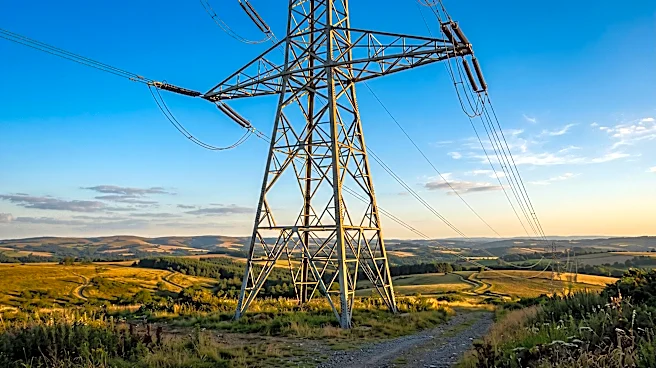
remains strong, growth is becoming more concentrated in specific high-growth sectors such as data centers, power infrastructure, manufacturing, healthcare, and transportation. Conversely, certain commercial property types, including office and retail development, continue to face challenges due to changing occupier demand and economic uncertainties. Financial performance varies significantly across the industry based on company size, geography, specialty, and project delivery model, with specialty trade contractors often outperforming general contractors in profitability. Leading indicators like the AIA/Deltek Architecture Billings Index (ABI) suggest a potentially more challenging environment for nonresidential construction in 2027, while the Dodge Momentum Index (DMI) shows strength in select categories.
Why It's Important?
This outlook is crucial for U.S. construction firms, developers, and investors as it highlights a shift from broad industry growth to a more selective market. The concentration of demand in specific sectors means that companies not aligned with these areas may face increased competition and fewer opportunities. The varied financial performance underscores the importance of tailored strategies rather than relying on national averages, impacting investment decisions and operational efficiency. The warnings from leading indicators suggest that proactive measures, such as strengthening client relationships and disciplined project pursuits, will be vital for maintaining profitability. This market segmentation will likely lead to a reallocation of capital and resources, favoring specialized firms and projects in high-demand areas, while potentially increasing pressure on traditional commercial real estate segments.
What's Next?
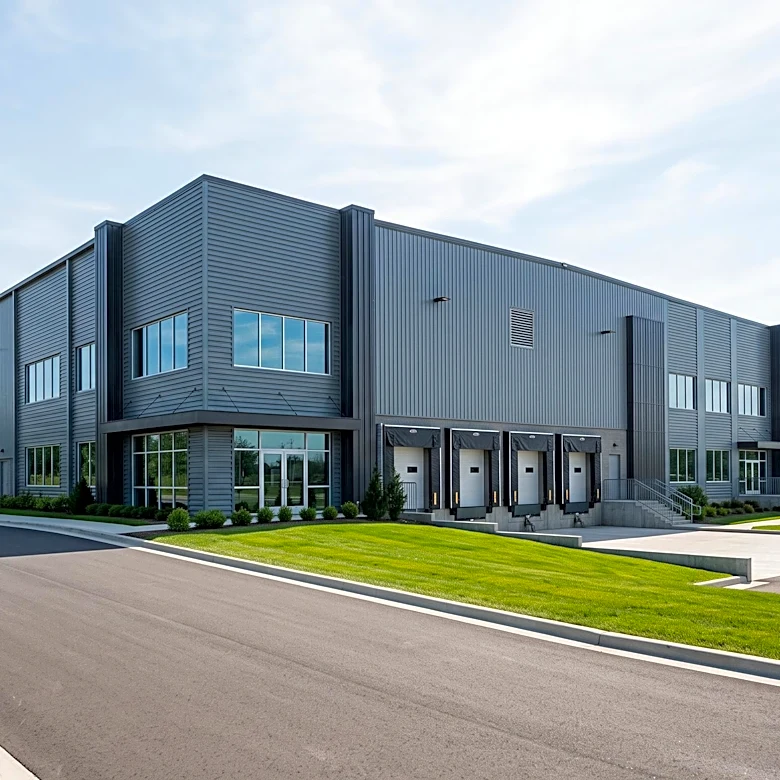
For 2027, construction and real estate firms are advised to benchmark their performance against similar companies, rather than national averages, to gain more valuable insights. They should focus on identifying and allocating resources to sectors experiencing concentrated growth, such as data centers and manufacturing. Proactive planning, including investing in business development and preconstruction efforts, will be essential to navigate intensifying competition. Firms must prioritize margin protection over volume and maintain financial discipline. The commercial real estate market will continue to see industrial properties as strong performers, while the office sector will require ongoing efforts in renovation, repositioning, and adaptive reuse. The multifamily market is expected to stabilize, potentially leading to new development opportunities, especially in Midwest and Southeast markets.
Beyond the Headlines
The evolving landscape in construction and real estate reflects broader economic and technological shifts. The decline in traditional office demand, for instance, is a direct consequence of the digital transformation and the rise of remote work, fundamentally altering urban planning and the purpose of commercial spaces. The robust growth in data centers and manufacturing highlights the increasing importance of digital infrastructure and domestic production capabilities, driven by technological advancements and geopolitical considerations. This shift could lead to a more decentralized economic geography, with investment flowing into areas that support these new industrial and technological needs. The emphasis on specialized growth and strategic planning also points to a more mature and discerning market, where innovation and adaptability will be key differentiators for long-term success, potentially reshaping the competitive dynamics of the industry.