





What's Happening?
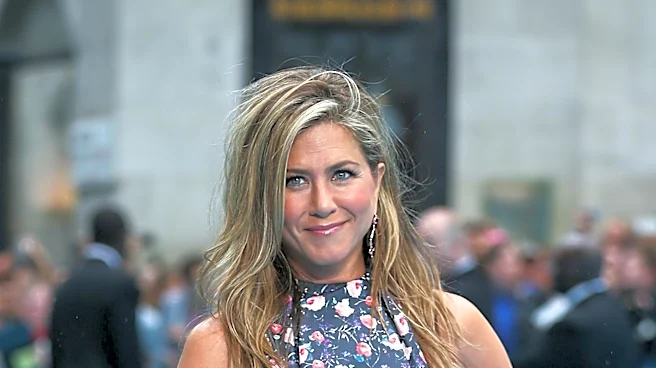
Jennifer Aniston, who will be 57 in 2026, has publicly shared her regret about not incorporating strength training into her fitness routine earlier in life, particularly in her 20s, 30s, 40s, and 50s. The actress, known for her role as Rachel in 'Friends,'
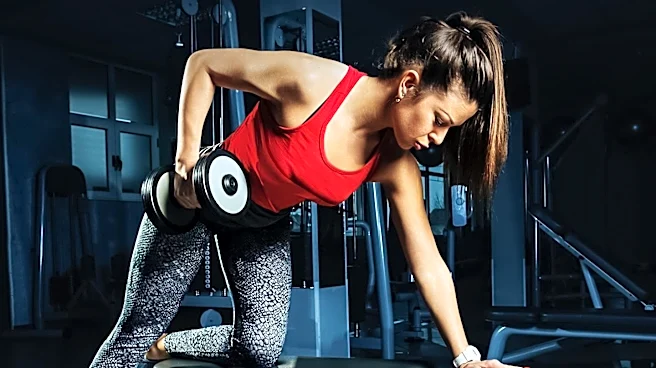
previously focused primarily on cardiovascular exercise to maintain a slender physique. However, as she aged and experienced the onset of menopause, she noticed significant changes in her body. This led her to discover the Pvolve method, a low-impact resistance training system designed to build strength, mobility, and stability without overstressing joints. Aniston described feeling a new level of strength she had never experienced before. She emphasized the importance of understanding how to combat the natural decline in physical capabilities that comes with aging, stating that this knowledge would have been invaluable to her at a younger age. She now trains four times a week for 40-50 minute sessions, focusing on full-body workouts, and advocates for flexibility in her routine, noting that even short, intense workouts can be effective.
Why It's Important?
Aniston's public statements on fitness and aging hold significant cultural weight, particularly for women in the U.S. Her influence, stemming from her long-standing career and iconic status, can shape perceptions and trends in health and wellness. By advocating for strength training, especially for women approaching or experiencing menopause, she challenges traditional beauty standards that often prioritize thinness over functional strength. This shift in perspective can empower women to embrace diverse fitness approaches that support long-term health and well-being, rather than solely focusing on aesthetic goals. Her regret highlights a broader societal issue where strength training for women has historically been less emphasized than cardio, potentially leading to missed opportunities for bone density maintenance, muscle mass preservation, and overall physical resilience as they age. Her endorsement of methods like Pvolve could also boost the visibility and adoption of such programs.
What's Next?
Jennifer Aniston is set to continue her acting career, with the final season of 'The Morning Show' wrapped and a new Apple TV+ adaptation of 'I’m Glad My Mom Died' in development, where she will star and executive produce. Concurrently, she will likely continue to promote her haircare brand, LolaVie, and maintain her active role in fitness advocacy. Her ongoing public discussions about her fitness journey and the benefits of strength training could inspire more women to explore similar routines. This could lead to increased participation in resistance training programs and a greater demand for fitness resources tailored to women's health needs across different age groups. Her candidness about menopause also contributes to destigmatizing the topic, potentially encouraging more open conversations and better support systems for women navigating this life stage.
Beyond the Headlines
Aniston's narrative extends beyond personal fitness, touching upon broader societal expectations and the evolving understanding of women's health. Her regret about not starting strength training earlier underscores a cultural lag in recognizing the comprehensive benefits of such exercise for women, particularly concerning bone health and metabolic changes associated with aging and menopause. This situation highlights the need for more widespread education and accessible resources that promote strength training as a fundamental component of women's health at all life stages. Her celebrity platform provides a powerful voice to challenge ageist and sexist biases in fitness, encouraging a more holistic view of health that values strength and vitality over superficial appearances. This could contribute to a long-term shift in how fitness is marketed and perceived for women, moving towards empowerment and functional well-being.