







What's Happening?
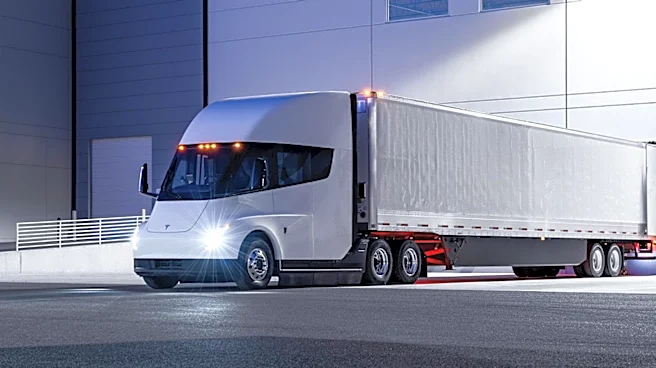
ArcBest, a freight transportation services and solutions provider based in Fort Smith, AR, has purchased Tesla Semi trucks for its operations. This acquisition follows a successful pilot program where the Tesla Semi demonstrated an efficiency of 1.55
kWh per mile in real-world usage. ArcBest is among several companies, including PepsiCo, DHL, US Foods, Einride, IMC Logistics, WattEV, and OK Produce, that have begun receiving deliveries of the long-delayed electric trucks. Tesla officially inaugurated its dedicated Semi production plant in Sparks, Nevada, nearly nine years after the concept was first unveiled in 2017. The plant has an estimated capacity of 50,000 trucks per year. While official pricing has not been disclosed, reports suggest the 500-mile Long Range version is being quoted at US$290,000, a significant increase from the original 2017 advertised price but still more affordable than other Western-made electric trucks.
Why It's Important?
The integration of Tesla Semi trucks by ArcBest signifies a growing trend towards electrification in the U.S. freight transportation industry. This move is crucial for companies aiming to reduce operational costs, particularly given the high and volatile diesel prices, which were reported to be above US$6.50 a gallon, nearly double year-ago levels. For ArcBest, adopting electric trucks aligns with efforts to control costs, improve productivity, and enhance service quality, potentially boosting its competitive edge. The broader adoption of electric trucks by major shippers like PepsiCo and Microsoft, who are part of a coalition to supply 2,500 zero-emission trucks in California, indicates a significant shift towards sustainable logistics. This transition could lead to substantial environmental benefits by reducing carbon emissions from heavy-duty transportation, contributing to national climate goals and potentially influencing regulatory frameworks for cleaner freight operations.
What's Next?
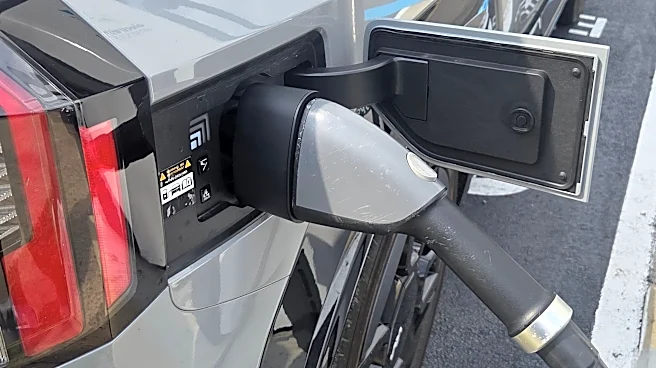
Tesla plans to operate over 30 Semi charging stations with more than 200 megawatt-capable posts by the end of the year to address the charging infrastructure constraint posed by the trucks' 822kWh battery packs. The company demonstrated a 3% to 60% charge in approximately 30 minutes during the inauguration event. While Tesla has reiterated the plant's capacity of 50,000 trucks annually, outside estimates for 2026 deliveries are more conservative, ranging from 5,000 to 15,000 units. This suggests that fulfilling the existing order book will take considerable time. The success of ArcBest and other early adopters in integrating these electric trucks will likely influence further investments and adoption rates across the U.S. logistics sector. Continued advancements in battery technology and charging infrastructure will be critical for the widespread deployment of electric heavy-duty vehicles.
Beyond the Headlines
The adoption of electric semi-trucks like the Tesla Semi by companies such as ArcBest extends beyond immediate operational and environmental benefits, signaling a profound shift in the logistics and supply chain paradigms. This transition could accelerate the development of smart logistics systems, integrating real-time data on energy consumption, route optimization, and charging schedules to maximize efficiency and minimize downtime. The high upfront cost of electric trucks, despite long-term savings, may necessitate new financing models and government incentives to encourage broader adoption, particularly among smaller carriers. Furthermore, the reliance on a robust charging infrastructure could lead to the emergence of new energy service providers and partnerships between trucking companies and utility providers. This shift also raises questions about the future of diesel mechanics and the need for a skilled workforce trained in electric vehicle maintenance and repair, potentially creating new job opportunities and requiring significant investment in vocational training programs.