



What's Happening?
Cardano (ADA) is anticipating its Peras upgrade in the second quarter of 2027, following the Dijkstra phase scheduled for late 2026. This upgrade aims to improve transaction speed and confirmation times, which could benefit applications requiring rapid
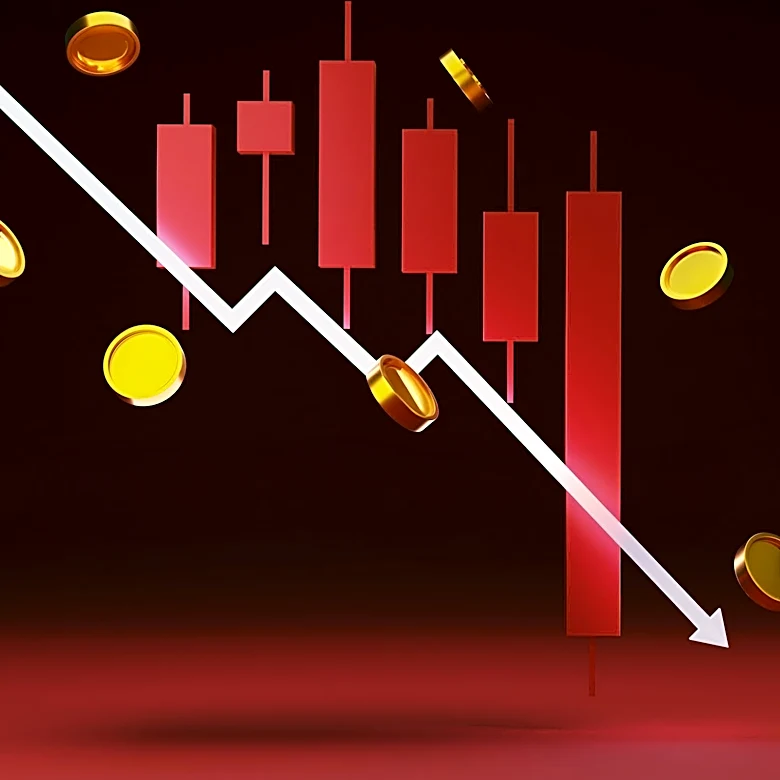
transactions. Historically, Cardano upgrades, such as the 2021 Alonzo hard fork that introduced smart contracts and the more recent Van Rossum hard fork, have influenced ADA's price, though their impact has lessened over time. Currently, ADA is trading significantly below its all-time high of $3.09 from September 2021, having experienced substantial drops in the past year. Forecasts for ADA's price by the end of 2027 vary widely, with some models predicting a recovery to around 22 cents, while others suggest a range from 8 cents to 45 cents. The cryptocurrency's performance is also linked to Bitcoin's trajectory and potential interest rate cuts by the Federal Reserve.
Why It's Important?
The upcoming Peras upgrade is crucial for Cardano's technological advancement, as enhanced transaction speeds could make the platform more attractive for decentralized applications and enterprise solutions within the U.S. and global blockchain ecosystem. The price volatility of ADA, influenced by both internal upgrades and external macroeconomic factors like Federal Reserve interest rates, highlights the speculative nature of cryptocurrency investments. For U.S. investors, understanding these dynamics is key to assessing risk and potential returns. The correlation between ADA's price and Bitcoin's performance, along with the Federal Reserve's monetary policy, underscores how broader financial markets and regulatory environments can impact digital assets. A successful upgrade could bolster investor confidence and potentially drive adoption, while continued price declines could deter new investment.
What's Next?
Cardano's immediate future involves navigating market volatility, with key checkpoints including ADA remaining above its recent low of 13.3 cents and Bitcoin stabilizing. The Dijkstra phase is expected in Q4 2026, setting the stage for the Peras upgrade in Q2 2027. The effectiveness of these upgrades in boosting ADA's price will be closely watched, especially if they coincide with a recovery in Bitcoin's value. Furthermore, potential interest rate cuts by the Federal Reserve in 2027 could provide a favorable macroeconomic environment for cryptocurrency recovery, though past rate cuts have not always directly translated to ADA price increases. Investors will be monitoring ADA's closing prices at the end of 2026 and throughout 2027 to gauge the likelihood of reaching various price targets.
Beyond the Headlines
The ongoing development of Cardano, marked by significant upgrades like Peras, reflects a broader trend in the blockchain industry towards improving scalability and utility. This continuous innovation is essential for cryptocurrencies to move beyond speculative assets and become integral parts of the digital economy. The diminishing impact of upgrades on ADA's price over time suggests a maturing market where fundamental improvements are increasingly expected rather than being singular catalysts for massive price surges. This shift implies that long-term value will likely be driven by sustained utility, adoption, and robust ecosystem development rather than just technical milestones. The interplay between decentralized digital assets and traditional financial policies, such as those of the Federal Reserve, also highlights the growing interconnectedness of these two worlds, posing new challenges and opportunities for regulation and economic integration.