





What's Happening?
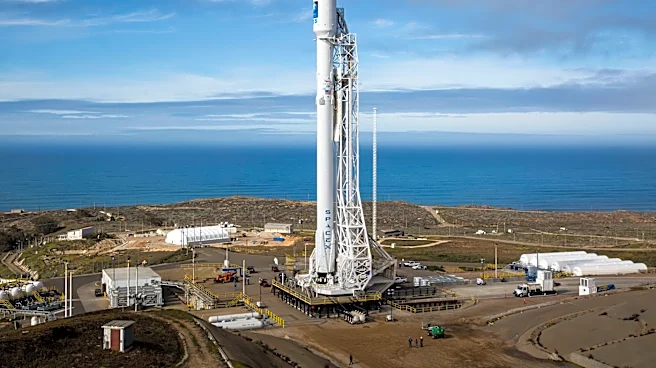
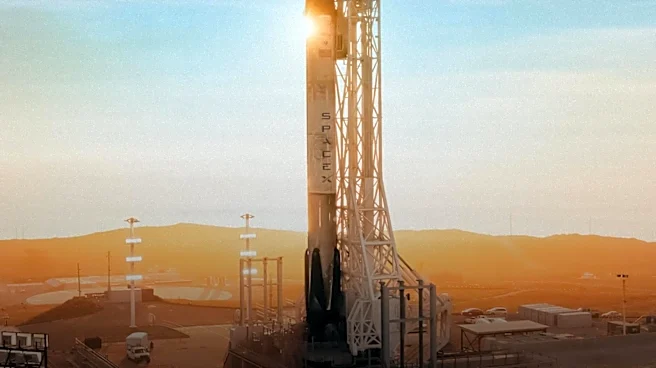
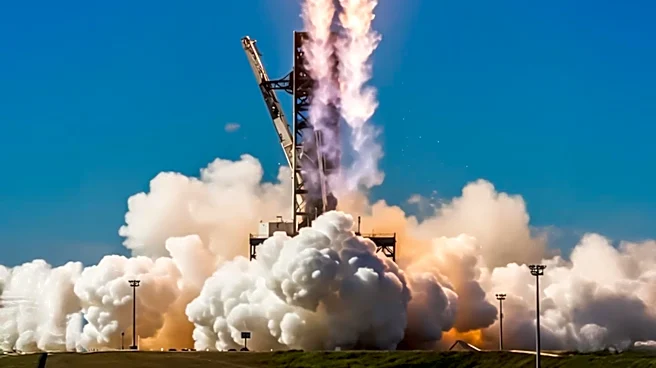
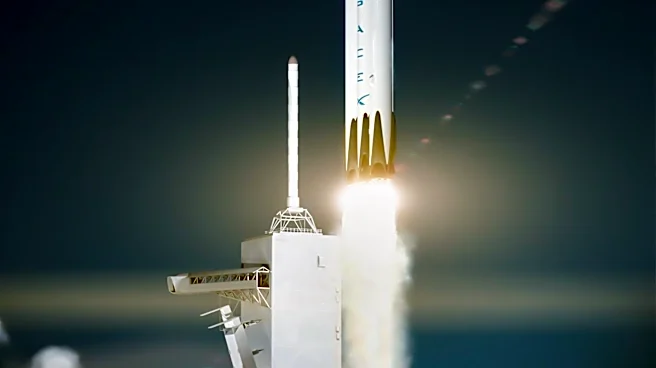
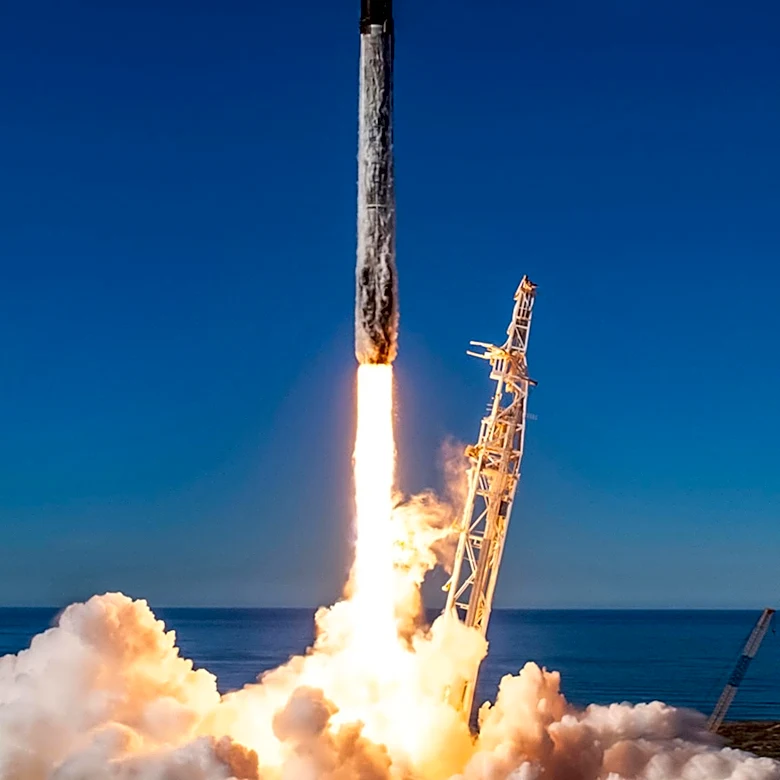
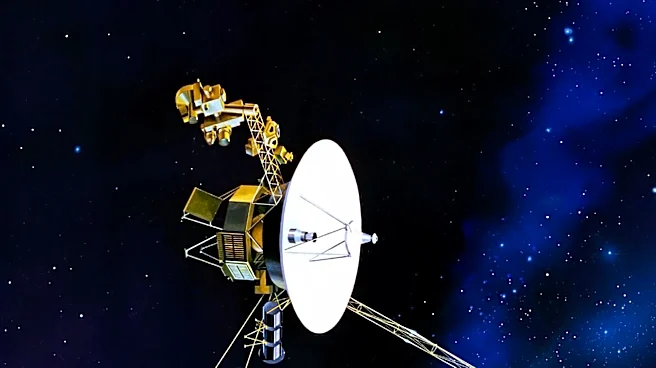
SpaceX's Transporter-17 mission has successfully launched the first commercial nuclear-powered satellite into orbit. The satellite, developed by City Labs, features a betavoltaic battery powered by tritium, marking a significant milestone in space technology.
This mission demonstrates the potential for nuclear power to provide a reliable energy source for satellites, independent of solar power. The launch represents a breakthrough in both engineering and regulatory approval, as City Labs received authorization from the FAA to proceed with the mission. The satellite aims to validate the use of nuclear power in space, paving the way for future applications.
Why It's Important?
The successful launch of a commercial nuclear-powered satellite signifies a new era in space exploration and technology. Nuclear power offers a sustainable and long-lasting energy source for satellites, particularly in environments where solar power is limited. This advancement could enhance the capabilities of space missions, enabling longer durations and operations in shadowed regions, such as the lunar surface. The regulatory approval for this mission also sets a precedent for future nuclear space endeavors, highlighting the importance of safety and compliance in the development of innovative space technologies.
What's Next?
City Labs plans to expand its use of nuclear technology in space, with future applications including powering lunar missions and other deep-space explorations. The success of this mission may encourage other companies and space agencies to explore nuclear power as a viable energy solution for space missions. Ongoing research and development will focus on scaling up the technology and ensuring its safety and reliability. The broader space industry will continue to monitor the implications of this advancement, as it could influence future space exploration strategies and energy solutions.