



What's Happening?
Toyota Chairman Akio Toyoda has issued a directive for the upcoming Lexus LFA supercar to "completely redefine the sound of an electric sports car." This mandate follows his earlier decree of "No more boring cars." Simon Humphries, the company's head
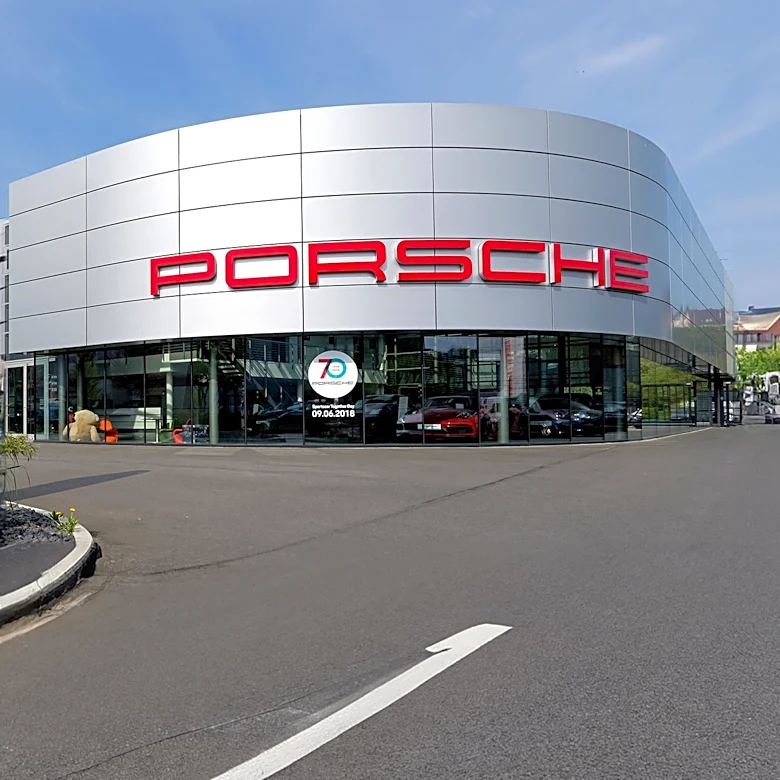
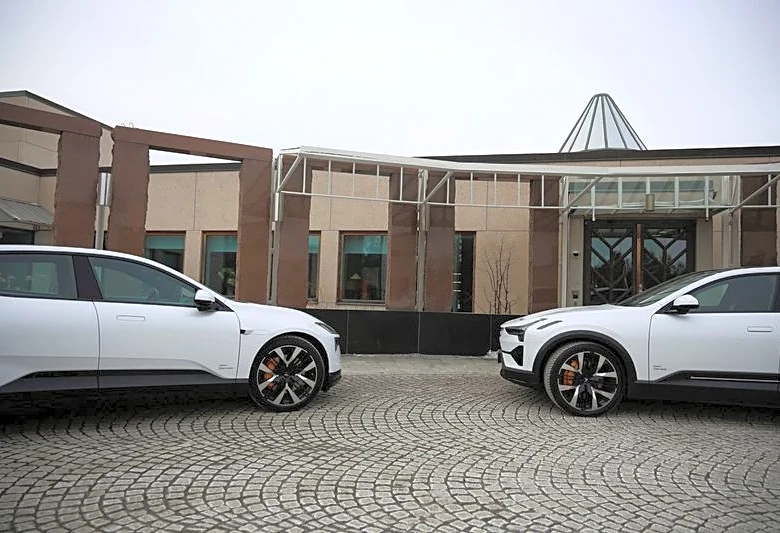
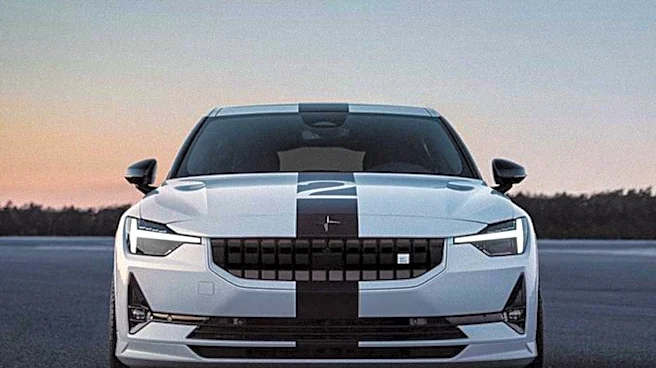
of design, confirmed Toyoda's specific request regarding the vehicle's acoustics. While the new LFA, expected to launch around 2029, will likely be primarily judged on performance metrics, the emphasis on sound is a significant aspect of its development. This focus acknowledges the powerful yet quiet nature of electric motors and aims to differentiate the LFA in a market where electric vehicles (EVs) often lack the distinctive engine sounds of their gasoline-powered predecessors. The development is set against a backdrop of varying approaches to EV sound design, with some manufacturers like Polestar opting for quietness, while others like Porsche actively engineer artificial engine noises.
Why It's Important?
This development highlights a growing trend in the automotive industry, particularly within the luxury and performance EV segments, to address the sensory experience of driving beyond just performance and aesthetics. For U.S. consumers, the sound of a vehicle can be a significant part of its appeal, especially for sports cars. Toyota's decision to invest heavily in the acoustic design of the Lexus LFA could set a new standard for how electric supercars are perceived and marketed in the U.S. market. It suggests that manufacturers are recognizing the emotional connection drivers have with engine sounds and are seeking innovative ways to replicate or redefine that experience in an electric format. This could influence future design choices across the EV landscape, potentially leading to a greater emphasis on engineered sound profiles in various vehicle categories, impacting consumer preferences and competitive strategies among automakers.
What's Next?
The Lexus LFA supercar is not expected to hit showrooms until approximately 2029, giving Lexus several years to develop and refine its unique electric sound profile. The success of this endeavor could influence future regulations regarding EV sound, particularly in the U.S., where existing rules already play a role in how EVs sound. Other automakers will likely observe Lexus's approach, potentially leading to a broader industry trend of investing in sophisticated sound engineering for electric vehicles. This could result in a more diverse range of auditory experiences for EV drivers, moving beyond the current dichotomy of artificial engine noises or complete silence. The market's reception to the LFA's sound design will be a key indicator of whether this focus becomes a mainstream expectation for high-performance EVs.
Beyond the Headlines
The emphasis on sound in the Lexus LFA touches upon deeper psychological and cultural aspects of driving. For many enthusiasts, the roar of a powerful engine is integral to the driving experience, symbolizing power, speed, and performance. As the automotive industry transitions to electric powertrains, manufacturers face the challenge of preserving this emotional connection. Toyota's initiative with the LFA suggests a recognition that the absence of traditional engine sounds could diminish the visceral appeal of sports cars for some consumers. This effort to "redefine the sound" of an electric sports car is not merely about noise, but about crafting a new auditory identity for high-performance EVs, potentially shaping future perceptions of what constitutes an exciting and engaging driving experience in an electric era. It also raises questions about the authenticity of engineered sounds versus natural engine acoustics and how consumers will ultimately value these different sensory inputs.