








What's Happening?
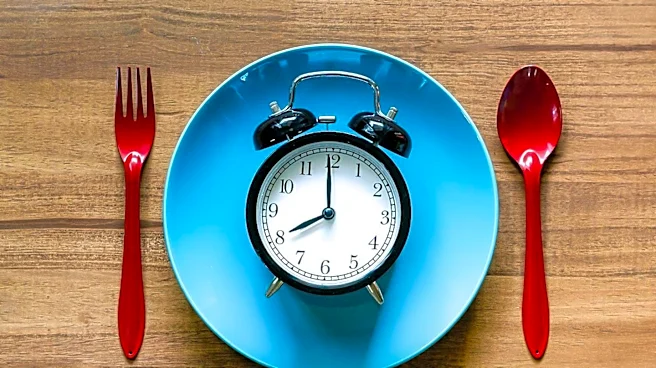
A recent study has explored the effects of meal timing on the gut's daily rhythms and microbiota. The research found that the timing of meals significantly influences the rhythmicity of the gut transcriptome and microbiota. Under interval feeding, a quarter
of the intestinal epithelial cell (IEC) transcriptome lost its rhythmicity, indicating a reliance on feeding-derived signals. The study also noted that rhythmic feeding behavior is crucial for maintaining metabolic and immunological processes in the gut. The findings suggest that meal timing could be a critical factor in managing gut health and related metabolic functions.
Why It's Important?
The study underscores the importance of meal timing in maintaining gut health, which has broader implications for metabolic and immune health. Disruptions in the gut's rhythmicity can lead to metabolic disorders and immune dysfunctions. Understanding the role of meal timing could lead to new dietary strategies to improve health outcomes, particularly for individuals with irregular eating patterns, such as shift workers. The research highlights the potential for meal timing as a cost-effective intervention to enhance gut health and prevent related diseases.
Beyond the Headlines
The implications of this study extend to lifestyle factors such as shift work and intermittent fasting, which can disrupt normal feeding rhythms. The findings suggest that adjusting meal timing could mitigate some health risks associated with these lifestyles. Additionally, the study points to the potential for dietary interventions to support circadian health, which could be particularly beneficial for aging populations or those with disrupted circadian rhythms. This research adds to the growing body of evidence supporting the integration of chrononutrition into public health strategies.