

What's Happening?
The French Open has become the first Grand Slam tournament to offer players a share of the event's revenue, marking a significant development in the ongoing dispute over prize money. This decision was communicated to players' representative Larry Scott
during talks at Wimbledon. The move is expected to increase pressure on the US Open, which is set to announce its prize fund for the upcoming tournament. Players are advocating for a revenue-sharing model where 16% of tournament revenue is allocated to prize money, with plans to increase this to 22% by 2030. The US Open, which raised its prize money by 20% last year to $90 million, is under particular scrutiny as it prepares for the arrival of a new chief executive, Craig Tiley.
Why It's Important?
The French Open's decision to adopt a revenue-sharing model could set a precedent for other Grand Slam tournaments, potentially leading to more equitable compensation for players. This development highlights the growing demand for transparency and fairness in prize distribution within professional tennis. The US Open, as one of the most prestigious tournaments, faces increased pressure to follow suit, which could lead to significant changes in how prize money is determined across the sport. This shift could benefit players financially and ensure a more sustainable career path for athletes in tennis.
What's Next?
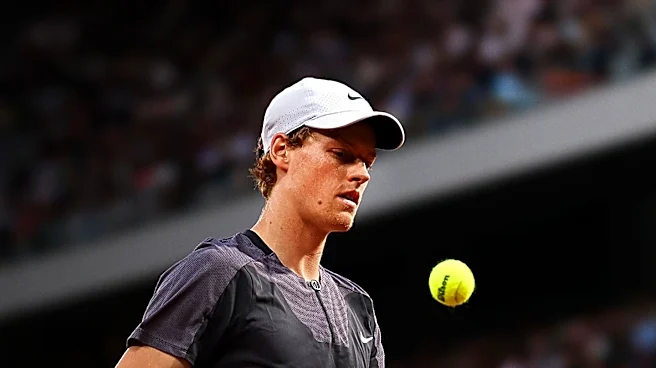
The US Open is expected to announce its prize fund soon, and the decision will be closely watched by players and officials. The tournament's response to the French Open's initiative could influence future negotiations and agreements regarding prize money distribution. Additionally, the arrival of Craig Tiley as the new chief executive of the US Tennis Association may bring fresh perspectives and strategies to address these issues. Players, including top-ranked individuals like Jannik Sinner, have expressed their willingness to take action if significant progress is not made, indicating potential boycotts or protests.