






What's Happening?
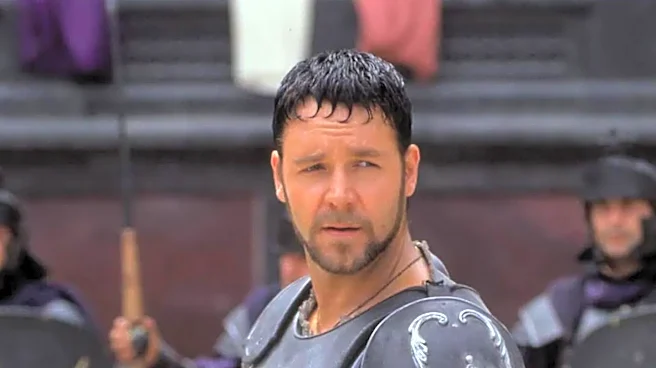
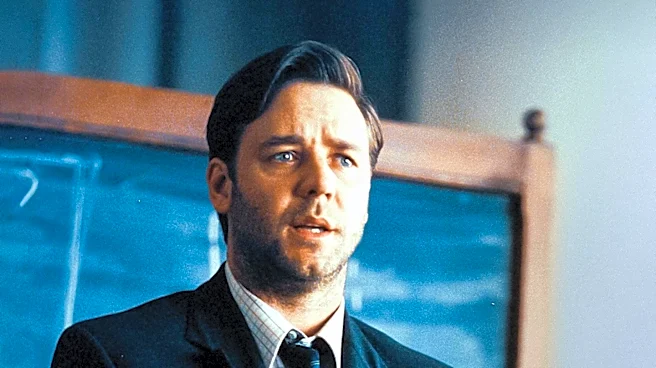
During the production of the 2005 film 'Cinderella Man,' Russell Crowe intentionally fostered a real-life rivalry with his co-star, Craig Bierko, who played his boxing adversary Max Baer. This method acting approach was designed to enhance the on-screen
bitterness and desperation of Crowe's character, Jim Braddock. Bierko recounted instances where Crowe's deliberate hostility became evident, such as being the only cast member not invited to Crowe's 40th birthday party during the Toronto shoot. Bierko understood that this behavior was part of Crowe's process to fully embody the character of Braddock, who viewed his boxing opponents as threats to his family's economic survival during the Great Depression. Director Ron Howard emphasized that Braddock's fight was deeply personal, driven by the need to provide for his family in a hopeless era. Bierko, who had also worked hard to establish his career, adopted a similar mindset, using Crowe's animosity to fuel his own performance as a rival boxer.
Why It's Important?
This incident highlights the intense and sometimes controversial nature of method acting in Hollywood. While some actors find it essential for delivering authentic performances, it can create challenging working environments for co-stars and crew. For 'Cinderella Man,' Crowe's approach aimed to elevate the film's central conflict, making the rivalry between Braddock and Baer feel genuinely visceral. This dedication to character can lead to critically acclaimed performances, as seen with Crowe's portrayal of Braddock. However, it also raises questions about professional boundaries and the psychological toll such methods can take on those involved. The story underscores the commitment actors make to their craft, often blurring the lines between their personal and professional selves to achieve artistic goals. It also provides insight into the collaborative yet often competitive dynamics that can exist on a film set, especially when actors employ immersive techniques.
What's Next?
The anecdote from the 'Cinderella Man' set serves as a case study in the ongoing discussion about method acting and its efficacy versus its potential drawbacks. While Crowe's performance was lauded, such intense approaches continue to be debated within the acting community. Future productions may see actors continue to employ similar immersive techniques, but there is also a growing emphasis on creating supportive and respectful working environments. This story might influence how directors and producers manage on-set dynamics when working with actors known for method acting, potentially leading to clearer communication about expectations and boundaries. For audiences, understanding these behind-the-scenes dynamics can deepen their appreciation for the performances, recognizing the effort and personal investment actors put into their roles. The legacy of 'Cinderella Man' will continue to include this narrative of how real-life tension contributed to the film's dramatic impact.
Beyond the Headlines
The tension between Russell Crowe and Craig Bierko on the set of 'Cinderella Man' delves into the ethical and psychological dimensions of acting. While method acting can yield powerful performances, it can also blur the lines between character and self, potentially impacting the mental well-being of actors and their colleagues. This approach raises questions about the responsibility of actors to maintain professional decorum versus their artistic pursuit of authenticity. The incident also reflects a broader cultural fascination with the sacrifices artists make for their craft. It highlights the fine line between dedication and potentially disruptive behavior in creative industries. Furthermore, it underscores the subjective nature of performance, where what one actor considers essential for their role, another might view as unprofessional. This dynamic contributes to the rich tapestry of Hollywood lore, offering insights into the complex human interactions that shape cinematic art.