


What's Happening?
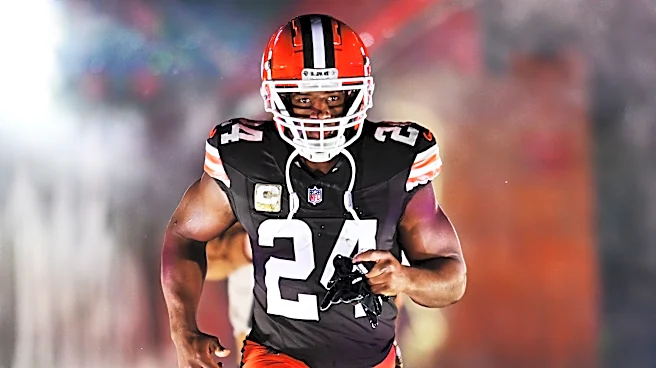
Nick Chubb, a four-time Pro Bowl running back who played for the Cleveland Browns and Houston Texans, has announced his retirement from the NFL at the age of 30. Chubb made the announcement via an Instagram post on Friday. He spent seven of his eight
seasons in the league with the Browns before playing for the Houston Texans during the 2025 campaign. His decision to retire comes after a career marked by significant injuries, including two serious knee injuries to his left knee. The first occurred early in the 2023 season, tearing his MCL and damaging his ACL, which required multiple surgeries. He returned in the 2024 season but then broke his left foot less than two months later. In his final season with the Texans, he appeared in 15 games but finished with fewer than 600 scrimmage yards, a notable decline from his prime performance. Chubb acknowledged in his post that he wasn't able to achieve all his career goals, such as winning the Heisman, becoming an All-American, winning a national championship in college, or leading the NFL in rushing, winning MVP, or a Super Bowl in the NFL.
Why It's Important?
Chubb's retirement underscores the physical toll professional football takes on athletes, particularly running backs, whose careers are often shorter due to the high impact nature of their position. His experience highlights the difficult balance between pursuing athletic aspirations and prioritizing long-term health. Despite his dedication and efforts to return from severe injuries, the cumulative effect ultimately led to his decision to step away from the sport. This situation is a common narrative in the NFL, where players frequently face career-altering injuries. Chubb's candid reflection on his unfulfilled career goals, alongside his satisfaction in knowing he gave his all, resonates with many athletes who must come to terms with the end of their playing days. His retirement also serves as a reminder of the financial and personal planning necessary for athletes transitioning out of professional sports, emphasizing the importance of health beyond their playing careers.
What's Next?
Following his retirement, Nick Chubb will transition into life after professional football. His focus will likely shift towards his long-term health, given the severity of his past injuries. While he has not specified his immediate plans, many former NFL players explore opportunities in broadcasting, coaching, or business ventures. His message to current players, emphasizing that 'There's a life waiting for you after football, too. And health is the real wealth,' suggests he may become an advocate for player well-being and post-career planning. The Cleveland Browns and Houston Texans will need to adjust their rosters and strategies in the absence of a player of Chubb's caliber, impacting their offensive schemes and potentially leading to new player acquisitions or increased roles for existing running backs. His departure also opens up discussions within the league about player safety and the support systems available for athletes facing career-ending injuries.
Beyond the Headlines
Chubb's retirement brings to light the broader ethical and societal implications of professional sports, particularly regarding player welfare and the pressure to perform despite physical risks. The narrative of athletes pushing through injuries for the love of the game and team success is often celebrated, but Chubb's decision highlights the personal cost. His experience could fuel further discussions about guaranteed contracts, long-term healthcare for former players, and the responsibility of sports organizations to protect their athletes. The contrast between his college aspirations and NFL realities also reflects the intense competition and unpredictable nature of professional sports. His emphasis on health as 'real wealth' could influence younger athletes to consider their long-term well-being more critically, potentially shifting cultural norms within highly competitive sports environments. This situation also touches upon the psychological aspect of retirement for athletes, who often grapple with identity shifts and the loss of a significant part of their lives.