

What's Happening?
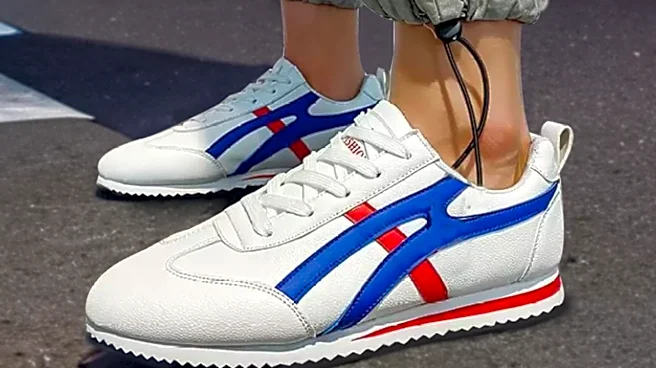
The Nike Moon Shoe, originally a minimalist racing prototype from 1971, is experiencing a resurgence, partly due to its adoption by influential figures like Jerry Lorenzo. This iconic footwear, known for its distinctive waffle sole, was initially hand-cobbled
by Nike co-founder Bill Bowerman for the 1972 U.S. Olympic Trials. Only six pairs were ever made, making it a 'sacred grail shoe' within Nike's archive. The current reintroduction, kicked off by a Jacquemus collaboration, recontextualizes the Moon Shoe as a low-profile silhouette that blends performance heritage with fashion and everyday wear. Thomasin Hummerstone, Senior Director, Energy Footwear at Nike, notes that while the shoe was initially designed with women in mind, its popularity among men, influenced by figures like Lorenzo and Wemby, has transformed it into a significant unisex offering. The new iterations feature materials like soft, buttery leather, expanding its appeal beyond its original nylon construction.
Why It's Important?
The renewed popularity of the Nike Moon Shoe, significantly boosted by figures like Jerry Lorenzo, highlights a broader trend in the U.S. fashion and footwear industry: the blurring lines between performance wear and everyday style, and the increasing demand for unisex products. This shift indicates that consumer preferences are moving towards versatile, comfortable, and historically rich designs that can be integrated into diverse wardrobes. The success of the Moon Shoe as a unisex proposition demonstrates the power of cultural influencers in shaping market trends and driving sales, particularly in the highly competitive sneaker market. For Nike, this reintroduction allows them to leverage their extensive archive and historical innovations, appealing to both dedicated sneakerheads who appreciate the craft and history, and fashion-conscious consumers who prioritize style and versatility. The emphasis on comfort and new material applications, such as leather, also reflects evolving consumer expectations for premium quality and all-day wearability in casual footwear.
What's Next?
Nike plans to continue expanding the Moon Shoe collection by introducing new materials and iterations while maintaining its deconstructed aesthetic. Future releases are expected to include a wider range of colors in leather, catering to the growing demand for premium and versatile options. The brand is also exploring different silhouettes, such as slingback and slip-on versions inspired by other archival designs like the Kyoto, to authentically participate in emerging fashion trends like ballet flats. The ongoing strategy involves balancing modern innovations with respect for the brand's heritage, ensuring that new designs resonate with both historical significance and contemporary style. The continued influence of figures like Jerry Lorenzo is likely to play a role in future marketing and adoption, further solidifying the Moon Shoe's position as a versatile and iconic piece in sneaker culture.
Beyond the Headlines
The re-emergence of the Nike Moon Shoe, propelled by figures like Jerry Lorenzo, underscores a deeper cultural phenomenon where historical artifacts are reinterpreted for modern consumption, bridging generational gaps in fashion. This trend reflects a broader societal appreciation for authenticity and storytelling in consumer products, where items with a rich past gain renewed relevance. The Moon Shoe's transition from a niche performance prototype to a mainstream unisex fashion statement also highlights the evolving definitions of 'athlete' and 'athletic wear.' Nike's mantra, 'If you have a body, you’re an athlete,' is embodied in this shoe's ability to appeal to a wide audience, from serious collectors to individuals seeking comfortable and stylish everyday footwear. This shift challenges traditional gendered marketing in fashion, promoting inclusivity and personal expression through versatile design. The emphasis on comfort and quality materials also points to a consumer desire for longevity and practicality, moving beyond fast fashion towards more considered purchases.