



What's Happening?
Iraq's crude oil production reached 4.6 million barrels per day (bpd) in October, marking its highest level since 2019, according to data from the International Energy Agency's monthly report. This represents a 540,000 bpd increase from September. Kuwait
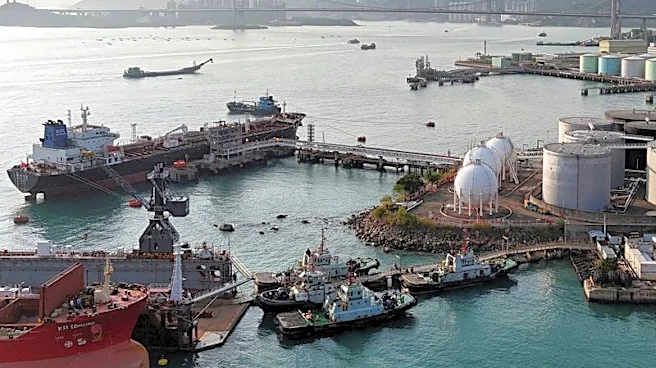
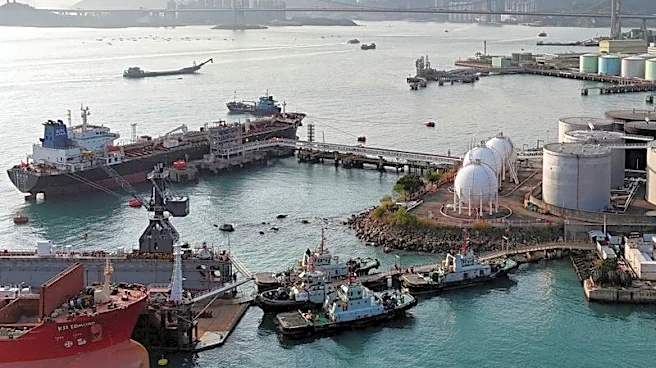
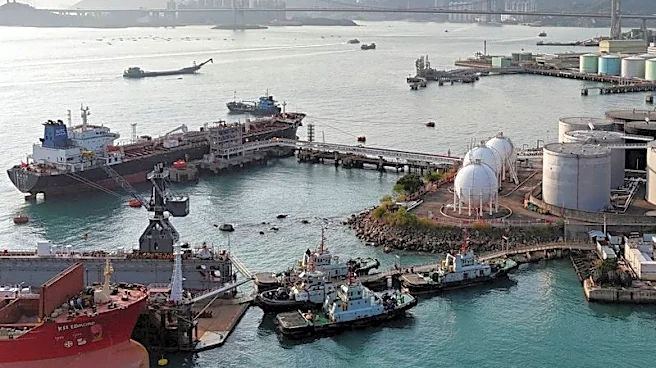
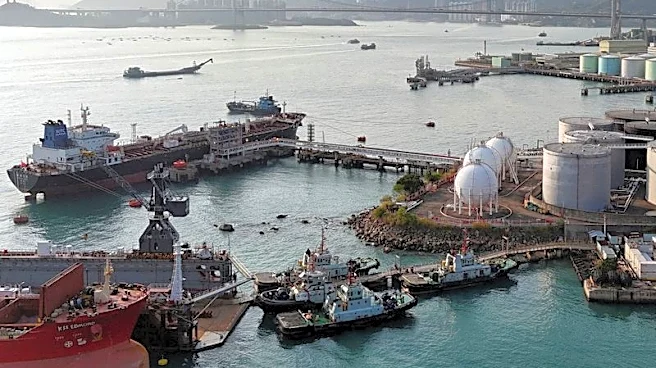
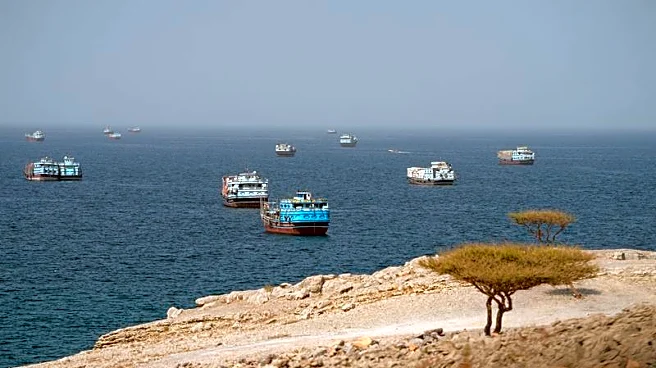
and Saudi Arabia also boosted their crude oil output in October compared to the previous month. Kuwait's production rose from 1.58 million bpd in September to 2.03 million bpd in October, though it remained below its OPEC+ ceiling. Saudi Arabia, OPEC's largest producer, increased its crude oil production by approximately 1 million bpd to 9.99 million bpd, up from 8.93 million bpd in September, as per IEA data. The surge in production from these Gulf producers has led to a significant increase in crude oil flows through the Strait of Hormuz since August, facilitated by shuttle shipments that transfer crude cargoes onto supertankers in the Gulf of Oman.
Why It's Important?
The increased crude oil production from key Gulf producers like Iraq, Kuwait, and Saudi Arabia has significant implications for global energy markets and U.S. energy policy. A higher supply of crude oil can contribute to stabilizing or lowering global oil prices, which directly impacts gasoline prices for U.S. consumers and operational costs for U.S. businesses. This surge in production also highlights the continued reliance on traditional oil sources and the strategic importance of the Strait of Hormuz as a critical chokepoint for global oil shipments. For the U.S., a more robust global supply can reduce pressure on its Strategic Petroleum Reserve (SPR) and offer greater flexibility in managing its energy security. Conversely, it could also affect the competitiveness of U.S. domestic oil producers if global prices decline significantly. The increased flow through the Strait of Hormuz underscores geopolitical sensitivities in the region, as any disruption there could rapidly impact global oil supplies and prices, affecting U.S. economic stability.
What's Next?
The continued monitoring of crude oil production levels from Gulf producers and the stability of shipping routes through the Strait of Hormuz will be crucial. Future OPEC+ meetings and decisions on production quotas will likely influence whether this upward trend in supply continues. Geopolitical developments in the Middle East could also impact the security of the Strait of Hormuz, potentially affecting oil flows. For the U.S., policymakers will likely continue to assess the balance between domestic energy production and global supply dynamics to ensure energy security and manage consumer costs. The market will also be watching for any shifts in demand, particularly from major importing nations, which could further influence global oil prices and production strategies.
Beyond the Headlines
The sustained increase in oil production from Gulf nations, despite ongoing global efforts towards renewable energy, underscores the complex and gradual nature of the energy transition. While the U.S. and other developed nations are investing heavily in green technologies, the immediate energy needs of the global economy continue to be met largely by fossil fuels. This situation raises ethical considerations regarding environmental commitments versus economic realities, particularly for developing nations that rely on affordable energy for growth. The strategic importance of the Strait of Hormuz also highlights the persistent geopolitical risks associated with global energy supply chains, emphasizing the need for diplomatic stability in the region. The long-term implications involve a delicate balance between ensuring energy affordability and security in the short term, while simultaneously accelerating the transition to sustainable energy sources to mitigate climate change.