





What's Happening?
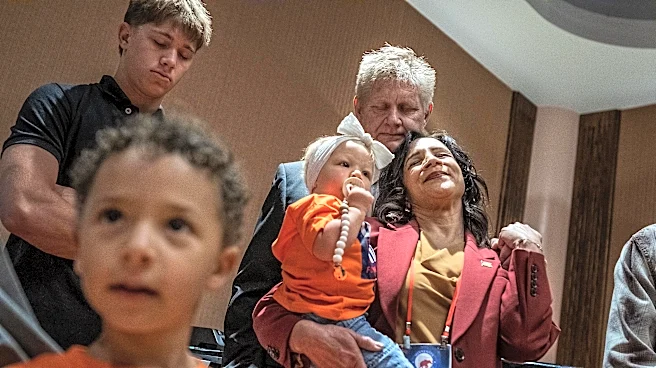
Duluth’s Birth and Baby Fair made its return to Lincoln Park Middle School on Saturday after a seven-year absence. The event successfully brought together families and over 70 vendors and community resources, offering support across various stages of parenthood.
The fair provided a wide array of services, ranging from doulas and pregnancy support to medical and postpartum resources. Amanda Barta, co-director of the event, highlighted the comprehensive nature of the support available, covering everything from preconception through the early years of childhood. The aim was to consolidate professionals in one space, making it easier for the community to access necessary assistance. Workshops at the fair covered practical topics such as avoiding emergency room visits and the fundamentals of home birth, equipping parents with valuable tools and information. Participants, like Danielle Braund-Nelson, emphasized the importance of building local support systems, especially for those new to the city who may lack immediate family or friends. Organizers expressed their delight at the turnout, noting that the fair has always been considered an integral part of the community and they were thrilled to see families re-engage after the long hiatus. The event was free and open to the public, underscoring its commitment to connecting families with professionals in a welcoming and accessible environment.
Why It's Important?
The return of the Birth and Baby Fair in Duluth is significant for several reasons, primarily its role in strengthening community support networks for new and expectant parents. In an era where information can be overwhelming and often fragmented, a centralized event like this provides a crucial hub for accessing verified resources and professional guidance. This is particularly vital for new parents who may feel isolated or unsure where to turn for help with the myriad challenges of pregnancy, childbirth, and early childhood. By offering direct access to over 70 vendors, including medical professionals, doulas, and support groups, the fair helps bridge gaps in local healthcare and social services. The emphasis on building a local community support system can mitigate feelings of loneliness and stress often experienced by new parents, fostering a sense of belonging and shared experience. Furthermore, the workshops on practical topics like emergency care and home birth empower parents with knowledge, potentially leading to better health outcomes for both parents and children. The event's free admission ensures accessibility for all families, regardless of socioeconomic status, promoting equitable access to essential parenting resources within the Duluth community.
What's Next?
Following the successful return of the Birth and Baby Fair, organizers will likely assess feedback from attendees and vendors to plan future iterations. The positive reception after a seven-year hiatus suggests a strong community need and desire for such events, which could lead to more regular scheduling. There may be efforts to expand the range of resources and workshops offered, potentially incorporating new topics based on emerging parental needs or community feedback. Local healthcare providers, non-profit organizations, and businesses focused on maternal and child health may seek to strengthen their partnerships with the fair's organizers, aiming for greater collaboration in future events. The success of this fair could also inspire similar initiatives in other communities facing similar needs for centralized parental support. Additionally, the event may serve as a catalyst for increased awareness and utilization of local resources throughout the year, as families who connected with vendors at the fair continue to seek their services. The organizers' commitment to fostering connections between families and professionals in a welcoming environment indicates a sustained effort to support parents in the region.
Beyond the Headlines
Beyond the immediate provision of resources, the return of the Birth and Baby Fair highlights broader societal shifts and needs concerning parental support. In an increasingly digital world, the fair underscores the enduring value of in-person community building and direct human connection, especially for sensitive life stages like pregnancy and early parenthood. It addresses the often-unspoken challenges of modern parenting, such as information overload, social isolation, and the difficulty of navigating complex healthcare systems. The event implicitly advocates for a more holistic approach to family well-being, recognizing that medical care alone is insufficient without robust social, emotional, and practical support. Ethically, providing free access to such a wide array of resources promotes equity in parental care, ensuring that essential information and services are not limited by financial barriers. Culturally, the fair reinforces the importance of collective responsibility in raising children, moving beyond the nuclear family model to embrace a broader community network. Its success after a long break also signals a renewed community focus on supporting new families, potentially influencing local policy discussions around family-friendly initiatives and public health funding for maternal and child services.