




What's Happening?
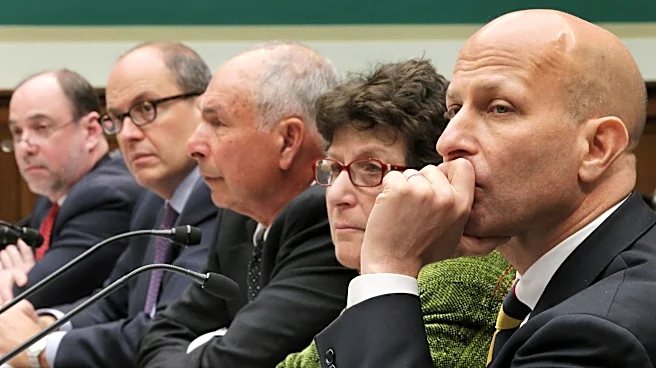
The Illinois Commerce Commission (ICC) has significantly reduced Peoples Gas's requested rate hike from $144 million to $40 million, following an initial request of $202 million that the utility voluntarily lowered. This decision comes amidst ongoing
concerns regarding Peoples Gas's costly project to upgrade Chicago's natural gas pipe network. Despite cutting the rate increase, the ICC continues to demand that Peoples Gas retire approximately 1,020 miles of old cast iron and ductile pipes by 2035, a pace the utility has not previously achieved. ICC Chairman Doug Scott suggested that Peoples Gas explore cheaper methods for pipe maintenance, such as repairs and patches, instead of relying solely on full replacement. The commission's decision was approved without discussion, indicating a firm stance on controlling utility costs while pushing for infrastructure improvements.
Why It's Important?
This decision is important because it reflects a regulatory body's attempt to balance consumer affordability with necessary infrastructure upgrades. By significantly reducing the rate hike, the ICC aims to protect ratepayers from soaring heating bills, which have been a concern due to the ongoing pipe replacement project. However, the continued insistence on a rapid pipe replacement timeline creates a potential conflict, as the utility may struggle to meet demands without adequate funding. This situation highlights the tension between public safety concerns related to aging infrastructure and the economic burden placed on consumers. The ICC's suggestion for alternative, more cost-effective repair methods could set a precedent for how utilities approach infrastructure maintenance, potentially influencing industry practices beyond Illinois.
What's Next?
The Illinois Commerce Commission is awaiting a safety monitor report from outside consultant Kiefner and Associates in March, which will provide more information on the state of Peoples Gas's project and its relation to safety. This report is expected to inform any further dramatic actions by the commissioners. Peoples Gas will need to reassess its strategy for pipe replacement, potentially incorporating the ICC's suggestions for cheaper repair methods to meet the 2035 deadline without the full requested rate increase. The utility may also consider pushing back against the aggressive timeline, citing the financial constraints imposed by the reduced rate hike. The ongoing dialogue between the ICC and Peoples Gas will determine the future pace and cost of Chicago's gas infrastructure modernization.
Beyond the Headlines
The ICC's actions reveal a deeper regulatory challenge: how to enforce critical infrastructure improvements without unduly burdening consumers or stifling utility operations. The commission's dual approach—cutting rate hikes while maintaining strict deadlines—suggests a desire to force utilities to innovate and find more efficient solutions rather than simply passing costs to ratepayers. This could lead to a re-evaluation of long-term infrastructure investment strategies across the utility sector, encouraging a shift towards more targeted and cost-effective maintenance. Furthermore, the situation underscores the broader national debate about aging infrastructure, the role of regulation, and the balance between public safety, environmental concerns, and economic feasibility in utility operations. The outcome in Illinois could serve as a case study for other states facing similar challenges.