







What's Happening?
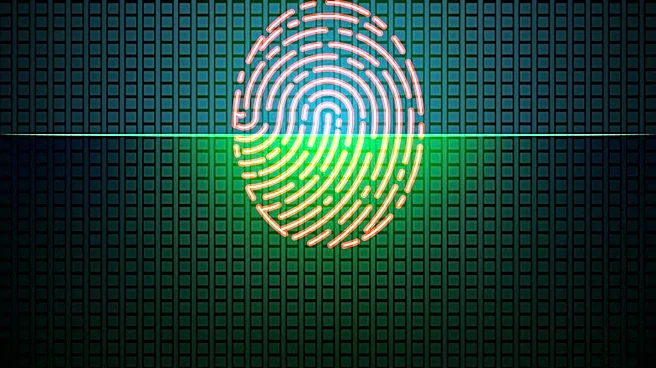
Financial institutions are increasingly adopting biometric authentication methods, such as fingerprints, facial scans, and voice recognition, to enhance security and streamline user experience. This shift is driven by the need to combat evolving fraud
tactics and meet growing customer expectations for convenience. Juniper Research projects that biometrically authenticated mobile payments will surge from $332 billion in 2022 to nearly $1.2 trillion by 2027, representing a 365% growth. Transaction volumes are also expected to climb by 383% over the same period, reaching 39.5 billion payments worldwide. Customer acceptance is high, with FICO survey data indicating that 60% of U.S. respondents would complete a biometric scan to open an account. However, banks face the challenge of balancing robust security measures with a seamless user experience, as overly strict authentication processes can deter customers, while lax ones increase fraud risk. The goal is to create systems that are quick for legitimate users but difficult for criminals to bypass.
Why It's Important?
The rapid adoption of biometric technology in U.S. financial services signifies a major transformation in how consumers interact with their banks and conduct transactions. This shift has profound implications for cybersecurity, customer loyalty, and the competitive landscape of the banking industry. For consumers, biometrics offer enhanced security against traditional password-based fraud and a more convenient banking experience. For financial institutions, successful implementation can lead to increased customer satisfaction and reduced fraud losses. However, the challenge lies in developing sophisticated, layered security systems that can adapt to new spoofing methods, such as digital injection attacks. Banks that effectively balance security and user experience are likely to gain a competitive edge, as customer trust in fraud protection is increasingly influencing bank selection. The U.S. market, with its significant customer willingness for biometric adoption, is a key battleground for this technological evolution.
What's Next?
Financial institutions are expected to continue refining their biometric authentication strategies, focusing on layered, risk-based checks. This approach involves applying different levels of scrutiny based on the transaction's risk, such as a simple fingerprint scan for checking an account balance versus a face scan or backup code for a large transfer. Banks will also need to prioritize clear communication with customers about how their biometric data is stored and used to build trust and encourage enrollment. Ongoing testing for new spoofing methods, including liveness detection, will be crucial to stay ahead of evolving fraud techniques. Furthermore, offering backup login methods and tracking failed scan rates will be essential to ensure accessibility and prevent users from resorting to less secure shortcuts. Regulatory frameworks, similar to the EU's Strong Customer Authentication requirement, may also influence the pace and direction of biometric adoption in the U.S., pushing banks towards more standardized and secure practices.
Beyond the Headlines
The widespread integration of biometrics into banking raises deeper ethical and privacy concerns regarding data storage and potential misuse. While biometrics offer convenience and enhanced security, the immutable nature of these identifiers means that a breach could have more severe and lasting consequences than a compromised password. The varying levels of comfort with biometric data sharing across different regions, as seen in the FICO survey data, highlight cultural and societal differences in privacy perceptions. This necessitates a careful approach to implementation, emphasizing transparency and robust data protection protocols. The long-term implications include a potential shift in the definition of personal identity in the digital realm, where biological traits become central to authentication. This could lead to a future where digital identity is inextricably linked to physical identity, prompting ongoing debates about individual rights, data ownership, and the role of financial institutions as custodians of highly sensitive personal information.