





What's Happening?
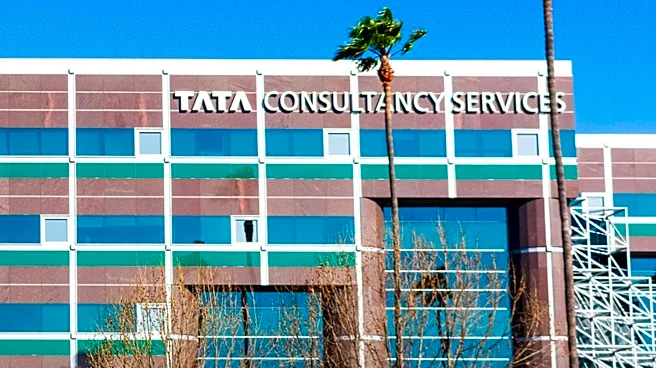
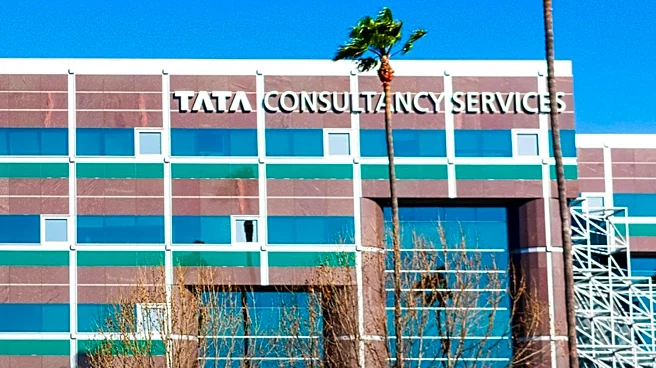
Tata Consultancy Services Limited (TCS) provides a comprehensive range of information technology (IT) and IT-enabled services. The company offers various AI-powered platforms, including TCS ADD for life sciences, TCS BaNCS for financial services, and TCS BFSI
Platforms for insurers and financial firms. Other offerings include TCS Chroma, a cloud-based AI-led hire-to-retire platform, and TCS Customer Intelligence & Insights, an AI-powered real-time customer data analytics solution. TCS also specializes in SAP transformation with AI-powered smart solutions through TCS ERP on Cloud, and provides ignio, a cognitive automation software product. Their portfolio extends to learning ecosystems like TCS iON, and cloud-native platforms such as TCS HOBS. Additionally, TCS offers network solutions, interactive services, and sustainability services, catering to a diverse array of industries including banking, capital markets, healthcare, manufacturing, and retail. Founded in 1968 and based in Mumbai, India, TCS operates as a subsidiary of Tata Sons Private Limited, employing a skilled workforce across 55 countries with 202 service delivery centers.
Why It's Important?
The extensive offerings from Tata Consultancy Services are crucial for U.S. industries and businesses seeking advanced IT and AI-driven solutions. Their platforms, such as TCS BaNCS and TCS BFSI Platforms, are vital for financial institutions looking to modernize their operations and enhance customer experiences through cloud-native and AI-powered ecosystems. For the healthcare and life sciences sectors, TCS ADD provides critical AI-powered tools that can accelerate research and development. The availability of robust cybersecurity, data analytics, and cloud services from a global leader like TCS allows U.S. companies to improve efficiency, reduce operational costs, and stay competitive in a rapidly evolving digital landscape. Businesses across various sectors, from retail to manufacturing, stand to gain from TCS's specialized platforms like TCS OmniStore and TCS Optumera, which offer strategic intelligence and enhanced commerce capabilities. The company's global presence and extensive service delivery network also provide scalable solutions for multinational corporations operating within the U.S.
What's Next?
Tata Consultancy Services is expected to continue its focus on innovation, particularly in AI, data analytics, and cloud technologies, to meet the evolving demands of its global clientele, including those in the U.S. The company's ongoing development of enterprise-grade GenAI platforms like TCS AI WisdomNext indicates a commitment to staying at the forefront of technological advancements. U.S. businesses can anticipate further integration of AI into various operational aspects, from procurement with TCS Tap to risk-free experimentation using TCS TwinX. The expansion of their service delivery centers and skilled workforce suggests a continued effort to provide localized support and tailored solutions. As digital transformation remains a top priority for many U.S. industries, TCS's comprehensive suite of services will likely play a significant role in shaping future business strategies and technological adoption across sectors.
Beyond the Headlines
The broad adoption of AI-powered platforms and IT services from companies like Tata Consultancy Services has deeper implications for the U.S. economy and workforce. While these technologies offer significant efficiency gains and innovation opportunities, they also raise questions about job displacement in certain sectors and the need for workforce reskilling. The reliance on global IT service providers highlights the interconnectedness of the global economy and the importance of international partnerships in technological advancement. Furthermore, the ethical considerations surrounding AI, data privacy, and cybersecurity become increasingly critical as more U.S. businesses integrate these advanced solutions. The shift towards cloud-native and subscription-based models also signifies a fundamental change in how businesses acquire and manage their IT infrastructure, moving from traditional on-premise systems to more flexible and scalable cloud environments. This trend will likely influence future investment patterns and regulatory frameworks in the U.S. technology sector.