






What's Happening?
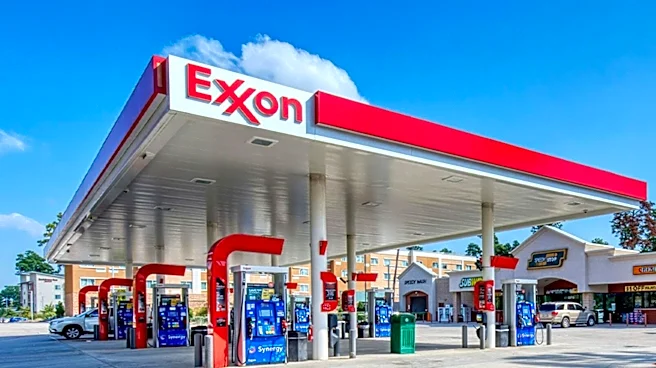
ExxonMobil, through two of its wholly-owned subsidiaries, Pioneer Natural Resources and Exxon Mobil Corporation, has launched cash tender offers to repurchase up to $3 billion of its outstanding debt. This initiative, announced on November 16, 2026, aims
to reduce the company's debt load. The offer covers four series of notes, with Pioneer's 1.9% notes due 2030 and 2.15% notes due 2031 having priority, followed by Exxon's 3.482% notes due 2030 and 4.227% notes due 2040. The $3 billion cap applies across all four series, and if too many holders tender their notes, purchases will be prorated. The pricing for the buyback will be based on U.S. Treasury yields plus a fixed spread, with accrued interest paid. The offers are set to expire at 5 p.m. ET on November 20, with settlement expected on November 24. Accepted notes will be canceled, effectively removing the debt from ExxonMobil's balance sheet. CEO Darren Woods has articulated the company's broader strategy as increasing production while improving efficiency, attributing this to consistent investment and execution excellence.
Why It's Important?
This $3 billion debt buyback is significant as it signals ExxonMobil's proactive approach to financial management from a position of strength, rather than necessity. The company's net debt stood at $22.1 billion as of September 30, indicating a healthy financial standing. By repurchasing debt, especially lower-coupon notes from Pioneer, ExxonMobil is likely aiming to simplify its capital structure and further integrate its assets, particularly those acquired through Pioneer in the Permian Basin. This move could enhance the company's financial flexibility and potentially improve its credit profile. For investors, it suggests management's confidence in future cash flows and a commitment to optimizing shareholder value, even as the company continues to invest heavily in shareholder rewards. The strategy aligns with CEO Darren Woods' vision of operational efficiency and disciplined investment, which has contributed to strong stock performance, with XOM shares up over 40% year-to-date and over the past year.
What's Next?
The tender offers are scheduled to expire on November 20, 2026, with the settlement of accepted notes expected on November 24, 2026. Following the completion of this buyback, ExxonMobil will cancel the repurchased debt, which will directly reduce its overall liabilities. The market will likely observe how this debt reduction impacts the company's financial ratios and future investment decisions. This action may also set a precedent or signal a trend for other energy companies with strong balance sheets to consider similar debt optimization strategies. Furthermore, as ExxonMobil continues to integrate Pioneer's assets and streamline its capital structure, future announcements regarding operational synergies and further financial optimizations are possible. The company's ongoing focus on increasing production and improving efficiency, as highlighted by CEO Darren Woods, suggests continued strategic investments in key areas like the U.S. Gulf Coast distillate production and international projects in Guyana, Kearl, Papua LNG, and Rovuma, Mozambique.
Beyond the Headlines
ExxonMobil's decision to buy back debt, particularly lower-coupon notes, could reflect a strategic long-term view on interest rates and capital allocation. While companies typically prioritize retiring higher-rate debt, targeting cheaper Pioneer paper might indicate a deeper integration strategy for its Permian assets, aiming for a more unified financial and operational structure post-acquisition. This move could also be interpreted as a signal of confidence in sustained profitability and cash generation, allowing the company to reduce its cost of capital and enhance financial resilience against potential future market volatilities. From a broader industry perspective, this financial maneuver by a major player like ExxonMobil could influence how other large corporations manage their balance sheets in an evolving economic landscape, especially those in capital-intensive sectors. It underscores a shift towards proactive balance sheet management even when not under immediate financial pressure, focusing on long-term structural efficiency and shareholder value creation.